
1 L
An interim top-up kept in the boot. On a small engine, enough for a change too.


Six sectors, each with its own duty cycle and its own requirements.
One and the same oil 5W-30 does not fit everywhere — load, temperature, dust and shift length decide.

Cold starts, short trips, OEM approval
Details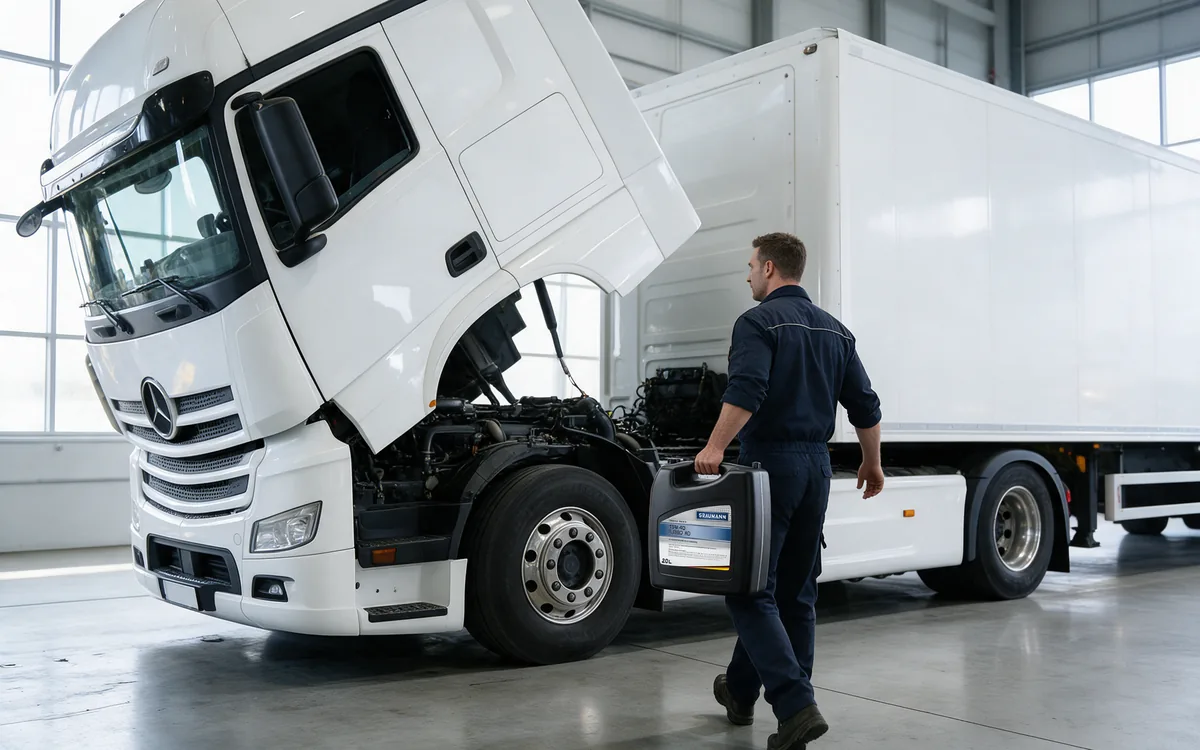
Long hauls, heavy loads, ACEA E grade
Details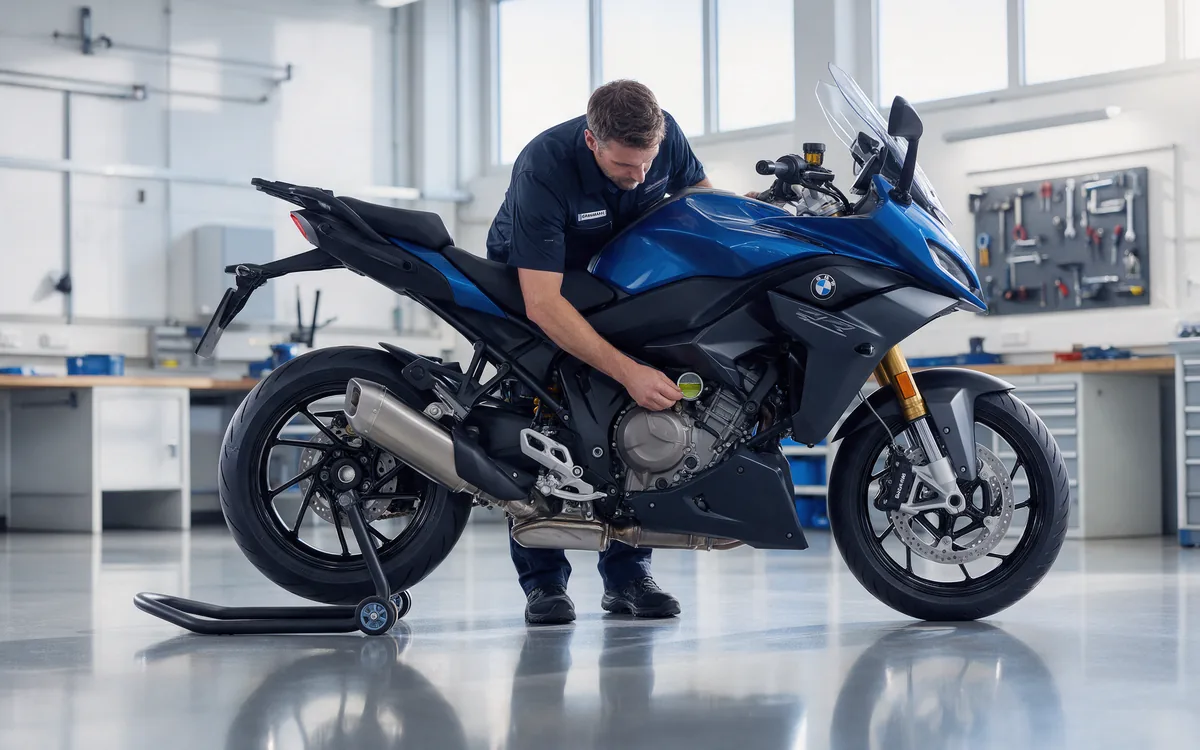
High revs, wet clutch, JASO
Details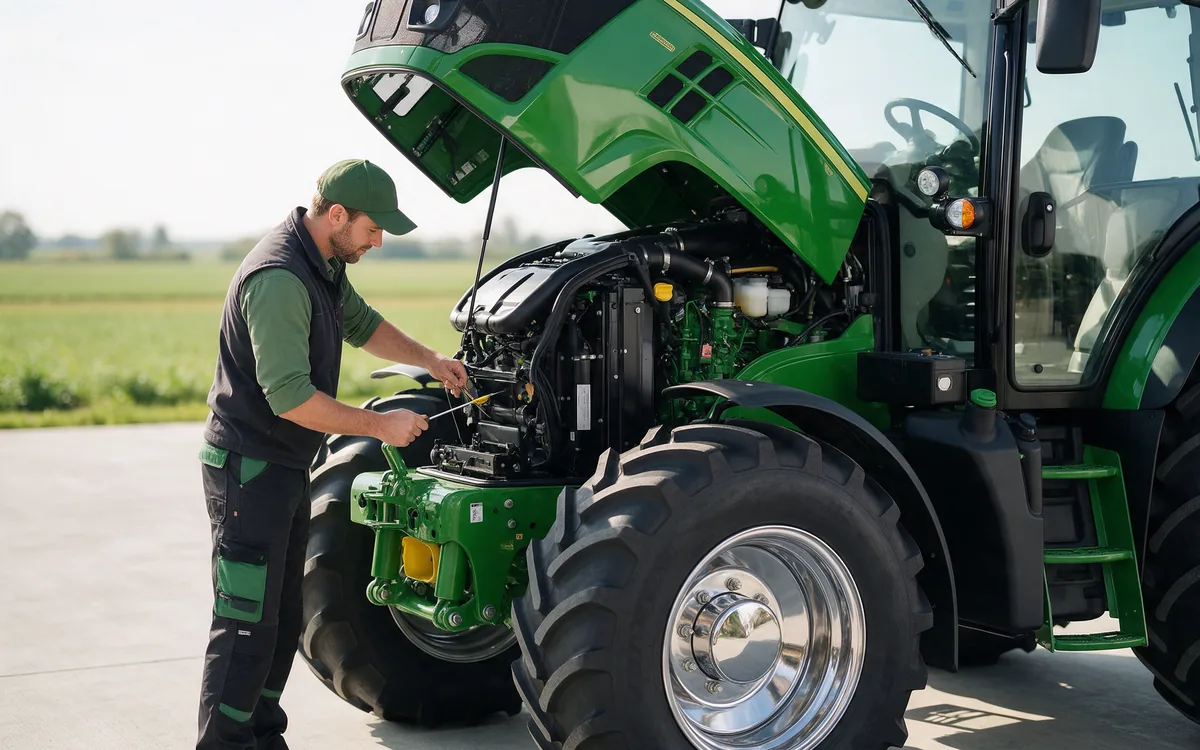
Dust, seasonal load, hydraulics
Details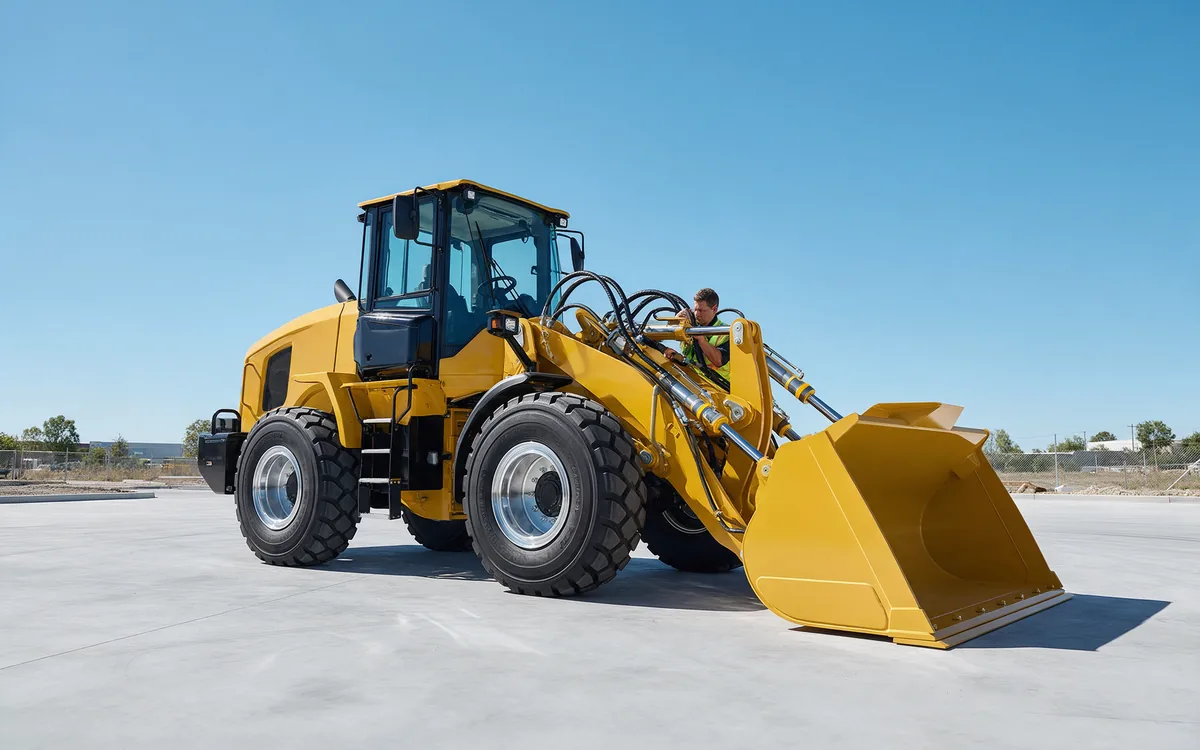
Constant load, HVLP and ISO VG
Details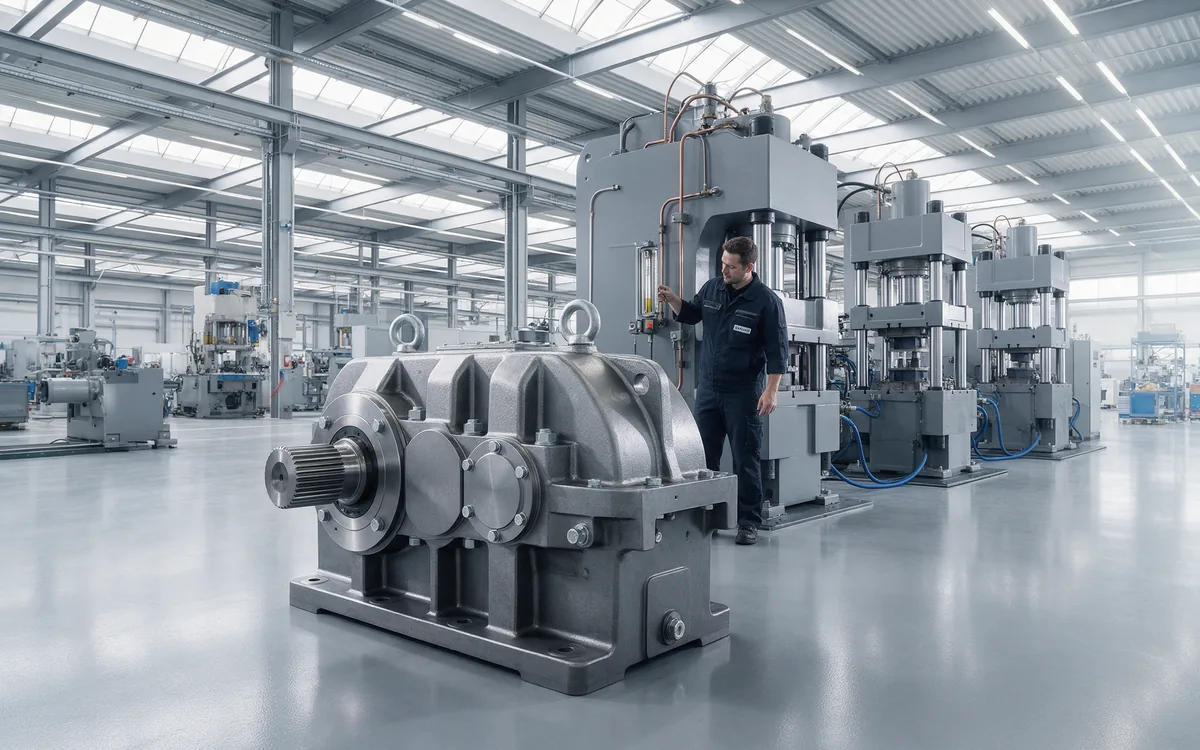
The exact grade from the equipment manual
Details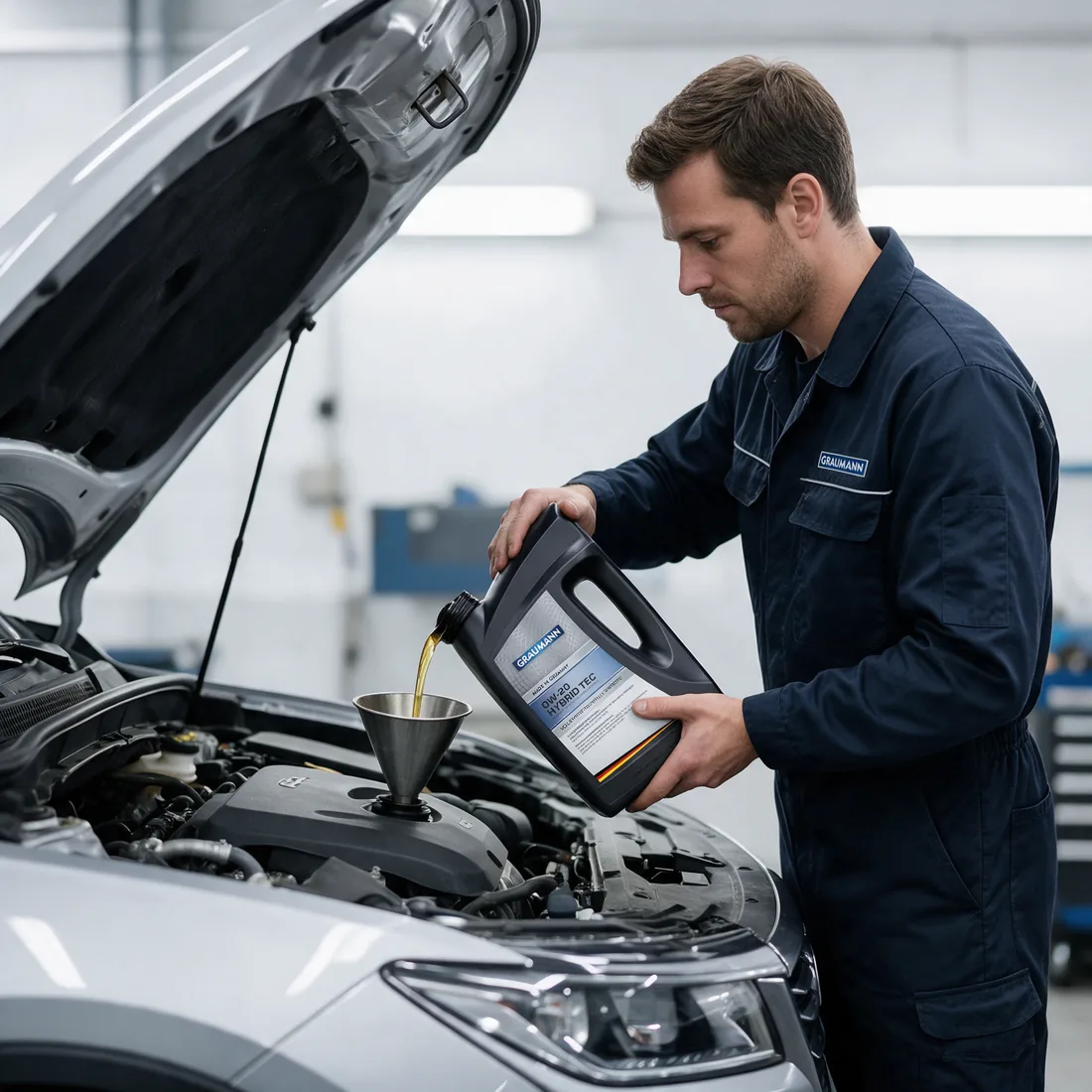
For a city car the hardest duty is short trips, not long journeys. On runs shorter than 8 km in normal weather, or 16 km in the cold, the engine never reaches operating temperature. Condensation and the fuel that gets into the oil do not evaporate. The oil thins and ages fast.
A diesel car with a particulate filter (DPF) must have a low-ash ACEA C oil.
Viscosity: TDS dan toʻldiriladiSpecification: TDS dan toʻldiriladi
Products for this sector
In a truck the engine runs for hours under an almost constant high load. That duty produces a lot of soot and the oil has to hold it. Towing a trailer, mountain roads and constant commercial use all count as hard conditions.
Viscosity: TDS dan toʻldiriladiSpecification: TDS dan toʻldiriladi
Products for this sector
A motorcycle engine runs at high revs on a small capacity. Cooling is either by air or by liquid. On many four-stroke models the engine, gearbox and clutch share one oil. The oil itself carries away most of the heat.
Viscosity: TDS dan toʻldiriladiSpecification: TDS dan toʻldiriladi
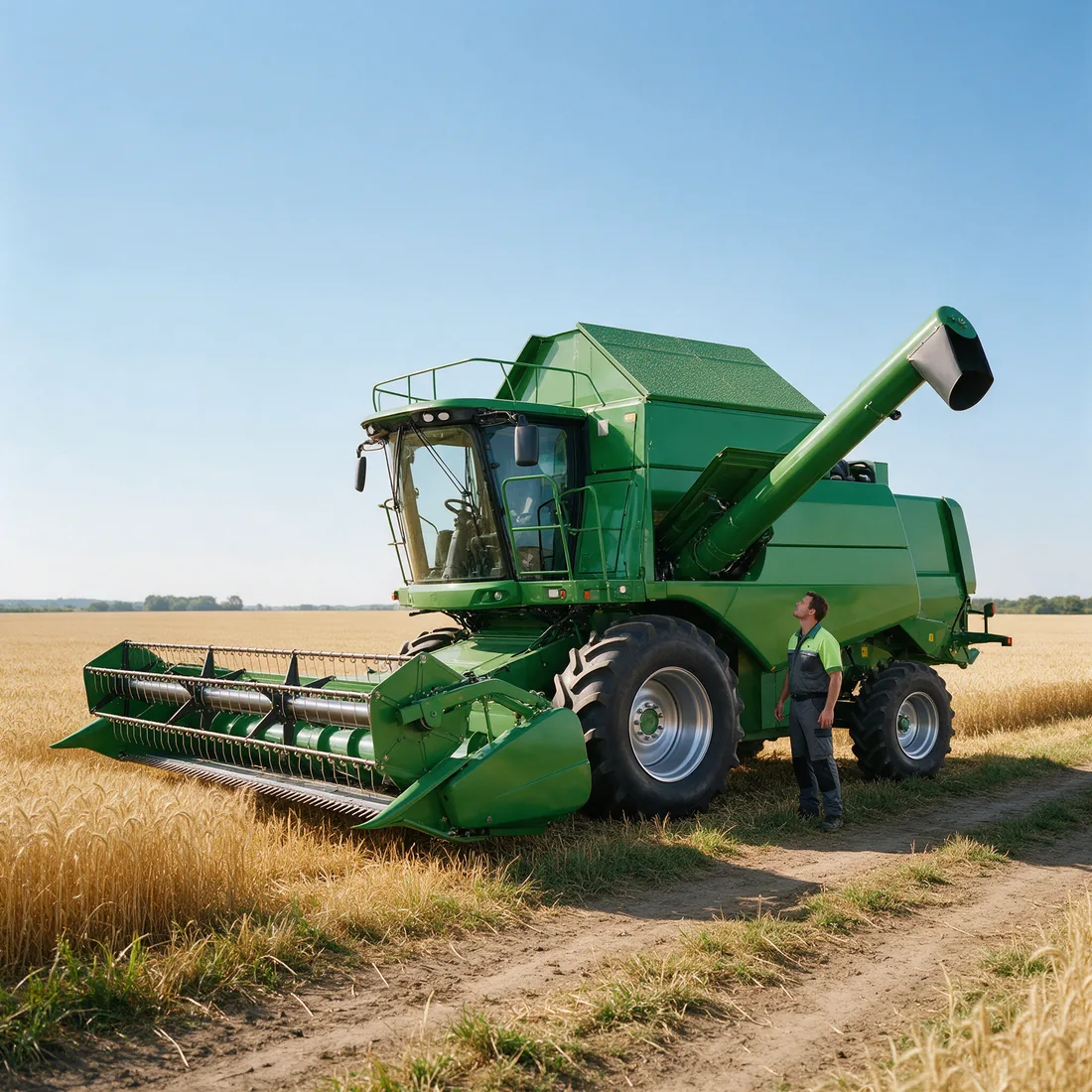
In season a tractor and a combine do not stop for days. The work is always in dust and under changing load. Filters saturate sooner, more solid particles reach the oil and the change interval shortens.
Viscosity: TDS dan toʻldiriladiSpecification: TDS dan toʻldiriladi
Products for this sector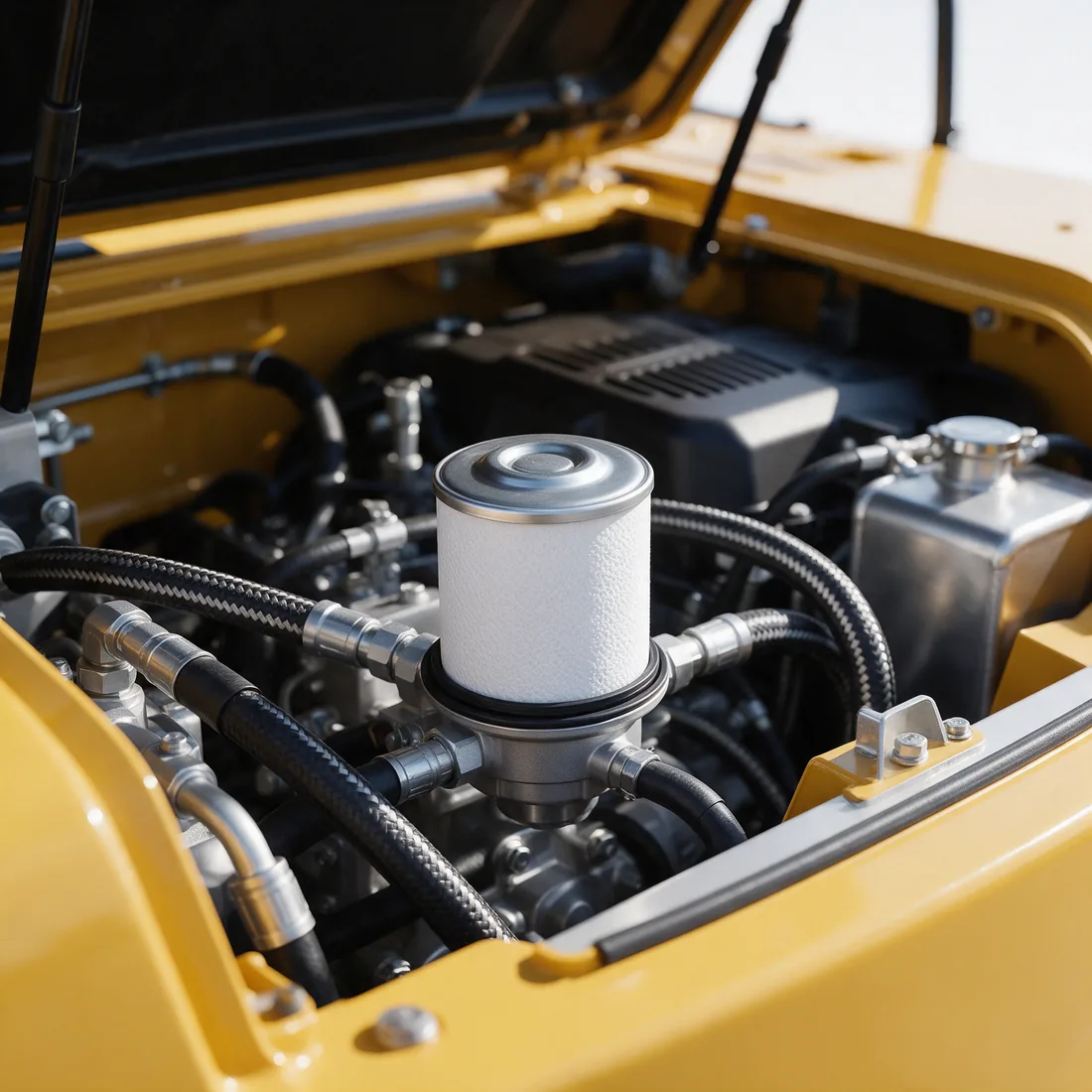
On an excavator or a loader the main work falls on the hydraulics. The pump runs continuously under pressure, the system heats up and the cycles repeat thousands of times a day.
Viscosity: TDS dan toʻldiriladiSpecification: TDS dan toʻldiriladi
Products for this sector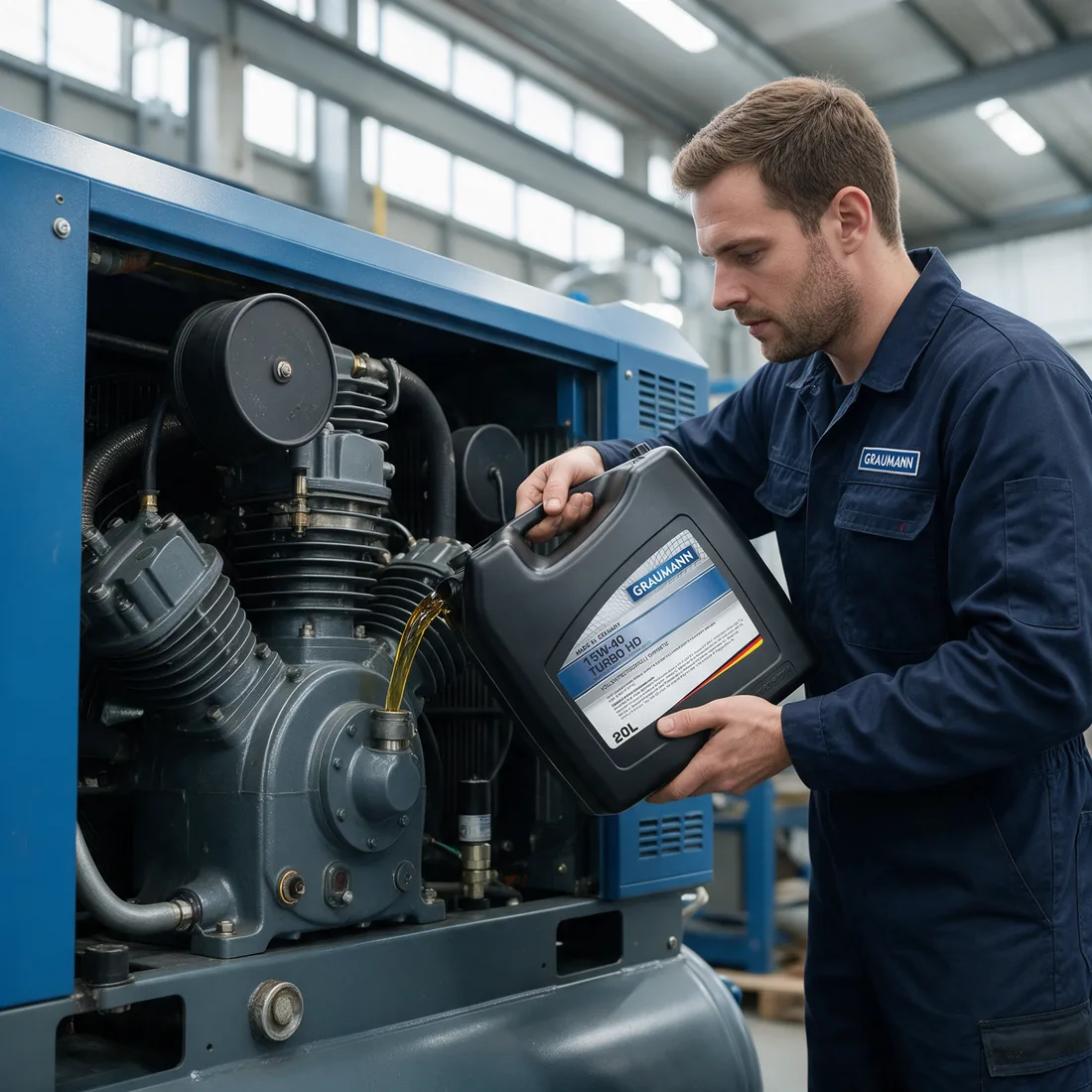
With presses, machine tools, gearboxes and continuous-shift lines, car logic does not apply. There is no 'make and model' choice here. The choice comes from the equipment manual alone.
Viscosity: TDS dan toʻldiriladiSpecification: TDS dan toʻldiriladi
Products for this sectorIf you run several kinds of machinery, work out your supply from this table.
| Sector | The categories you need | The main requirement | Pack |
|---|---|---|---|
| Passenger car | Engine, diesel, transmission, brake fluid | OEM approval and ACEA grade. With a DPF, a low-ash oil | 1 L · 4 L · 5 L |
| Truck | Diesel, transmission, hydraulics, brake fluid | ACEA E or API CK-4. API GL-4/GL-5 in the axle | 5 L · 20 L |
| Motorcycle | JASO motorcycle oil (on request), brake fluid | MA or MB to JASO T903, depending on the model type | 1 L · 4 L |
| Agricultural machinery | Diesel, transmission, hydraulics, brake fluid | Dust shortens the interval. ISO VG in the hydraulics | 20 L |
| Construction machinery | Hydraulics, diesel, transmission | HVLP and ISO VG. The figure comes from the manual | 20 L |
| Industrial equipment | Hydraulics | The DIN 51524 grade (HL, HLP, HVLP) and the ISO VG number — from the equipment manual | 20 L |
The table points to a category, not to a specific article.
Get a precise recommendation10 000–15 000 km
or once a year
The interval depends on the vehicle manufacturer's requirement.
Leave it too long and the oil film thins, deposits build up, compression and power fall and consumption rises.
Brake fluid is outside this calculation. Its replacement does not depend on mileage. Most car makers state two years. The exact period is in the service book.
Summer heat, dust and rough unmade roads
Agricultural and construction machineryCity traffic, stop-and-go driving and long idling
Passenger cars, construction machineryCommercial duty. Taxi work, daily haulage, continuous shifts.
Passenger cars, trucksMountain roads
TruckTowing a trailer and constant heavy loads
Trucks, agricultural machineryShort trips: under 8 km in normal weather, under 16 km in the cold
Passenger carCheck the oil level between changes. If the level rises instead of falling, fuel or coolant is getting into the sump. Changing the oil is not enough — find the cause first.
One article comes in several sizes. The choice follows the workload and the storage conditions.
An interim top-up kept in the boot. On a small engine, enough for a change too.
One change. On most passenger cars, around 3.5–5.5 litres.
The most requested pack. One change plus a little in reserve. Convenient for a shop shelf or a small workshop.
A day's work for a workshop or for construction machinery.
For fleets, farms and industry. Dispensed with a pump. The main volume in hydraulic systems.
Give the make, model and engine.
The result is for guidance only. The final decision rests on the vehicle manufacturer's specification. The service book requirement always takes priority.
Engine, diesel and transmission oil, brake fluid and hydraulics all come from one source. Seasonal peaks are planned in advance.
Made at one of Germany's large plants to German engineering standards. The range is built for the loads of modern engines: turbochargers, direct injection, start-stop.
Five categories, 15 articles, pack sizes from 1 L to 20 L. Engine and diesel oil, transmission fluid, brake fluid, hydraulics. All five from one supplier.