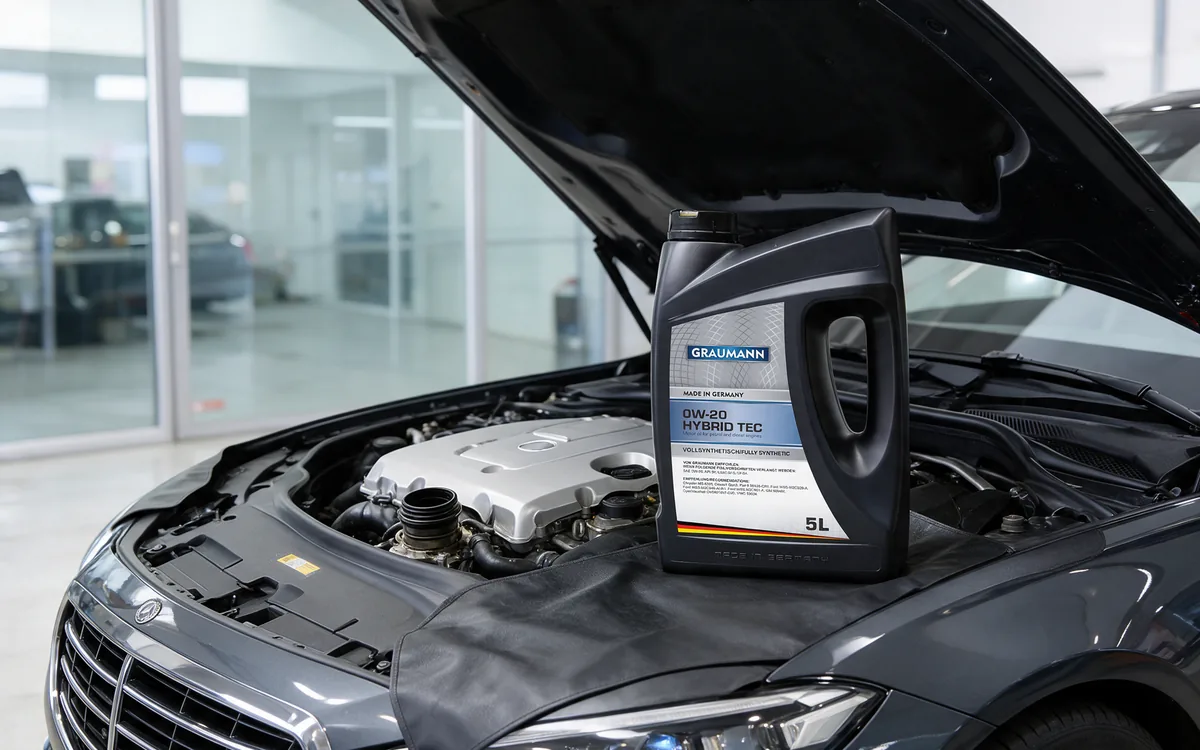
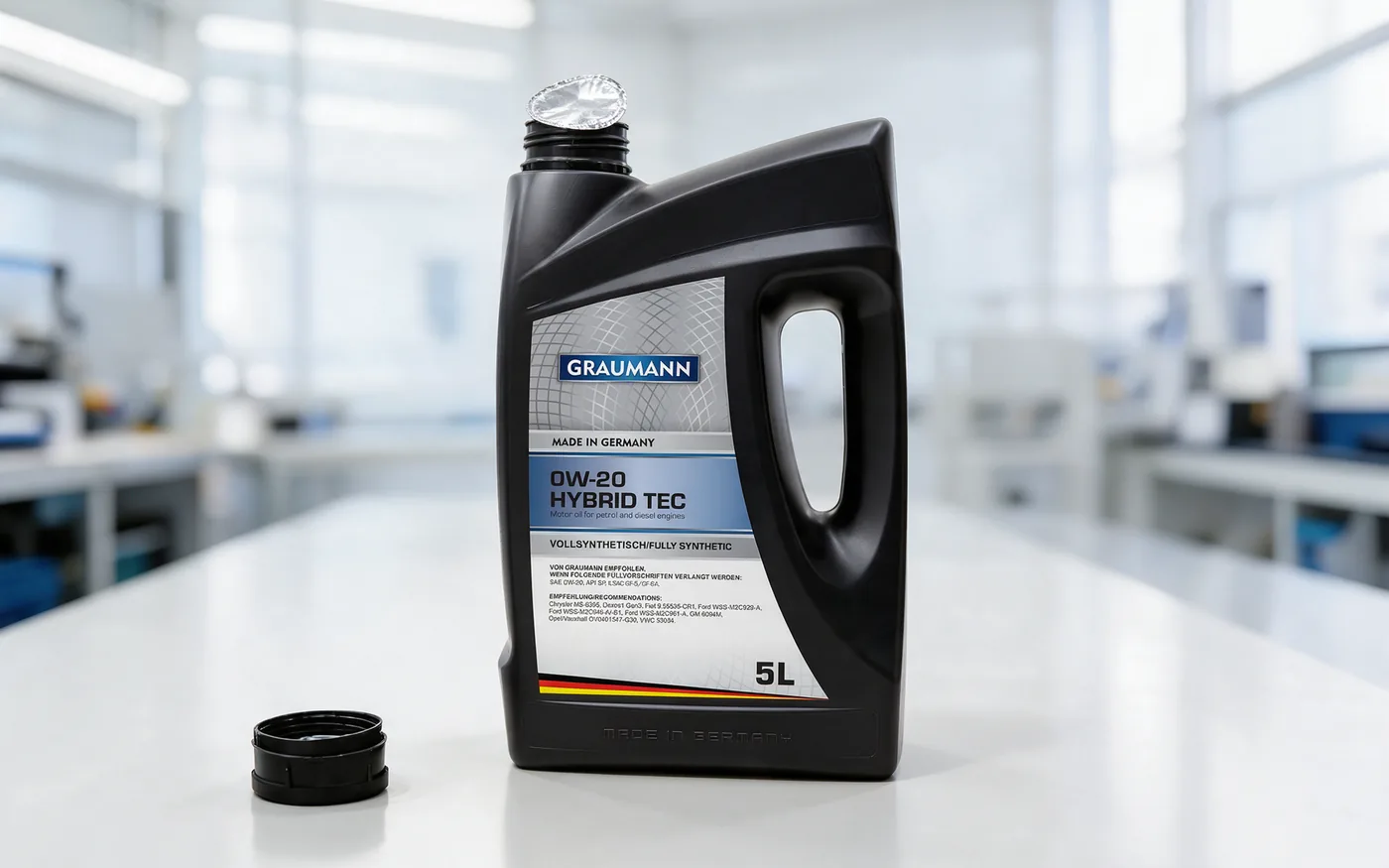
Premium oil built to German engineering standards. For turbocharged, direct-injection and start-stop engines. Five categories — from a single supplier.
The result is for guidance only. The final decision rests on the vehicle manufacturer's specification. The service book requirement always takes priority.
RANGE
Five categories, one supplier
The core fluids in one brand — from the engine to the hydraulics. 15 articles in total, in 1–20 L packs.
01Core
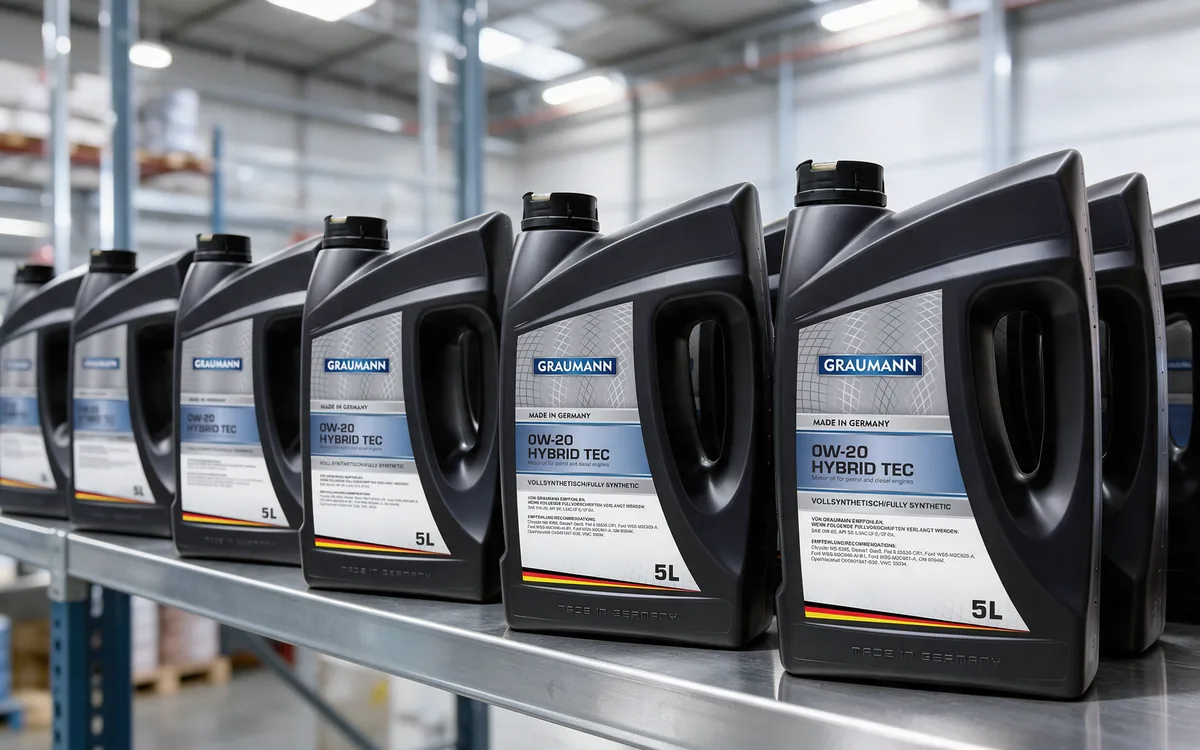
Engine oils
The core range for petrol and diesel engines in passenger cars: it lubricates, carries heat away, holds soot in suspension and protects against corrosion. In turbocharged and direct-injection engines, heat stability matters most.
A diesel produces more soot and the oil has to hold it. Vehicles with a particulate filter (DPF) need a low-ash oil, otherwise the filter fills with ash.
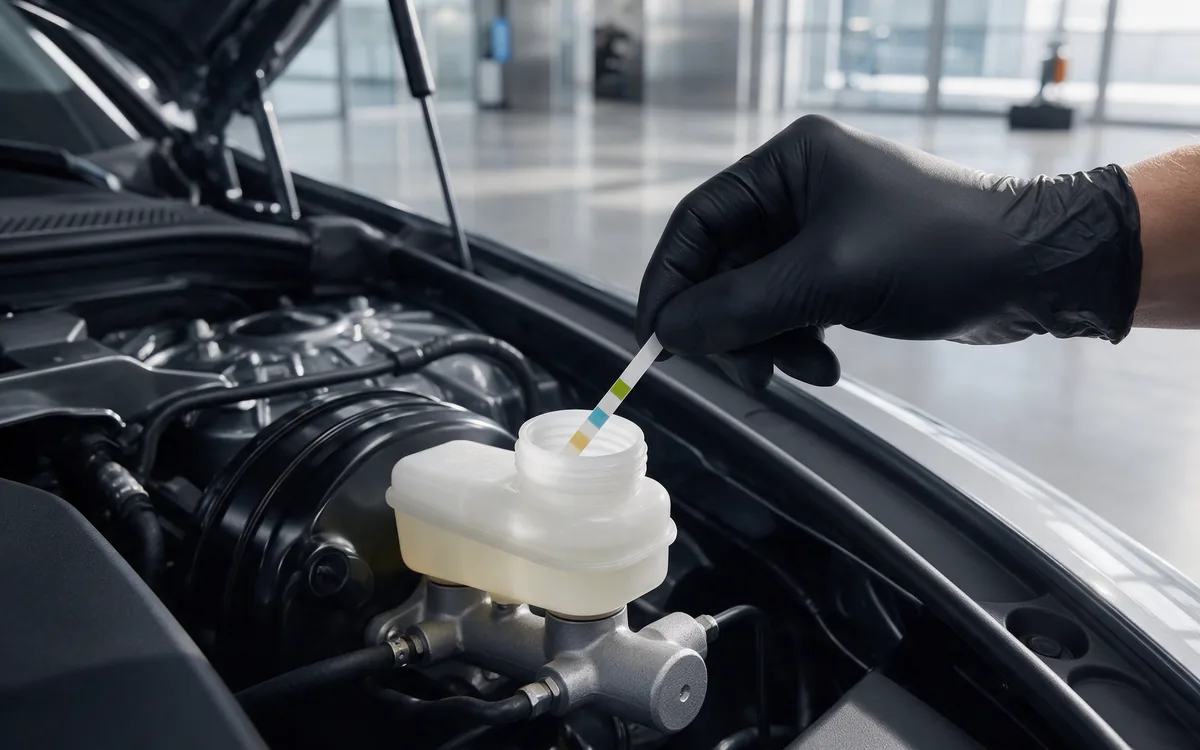
Brake fluid draws moisture from the air and its boiling point falls. Under hard braking a vapour lock lets the pedal go soft. It is replaced by time, not by mileage.
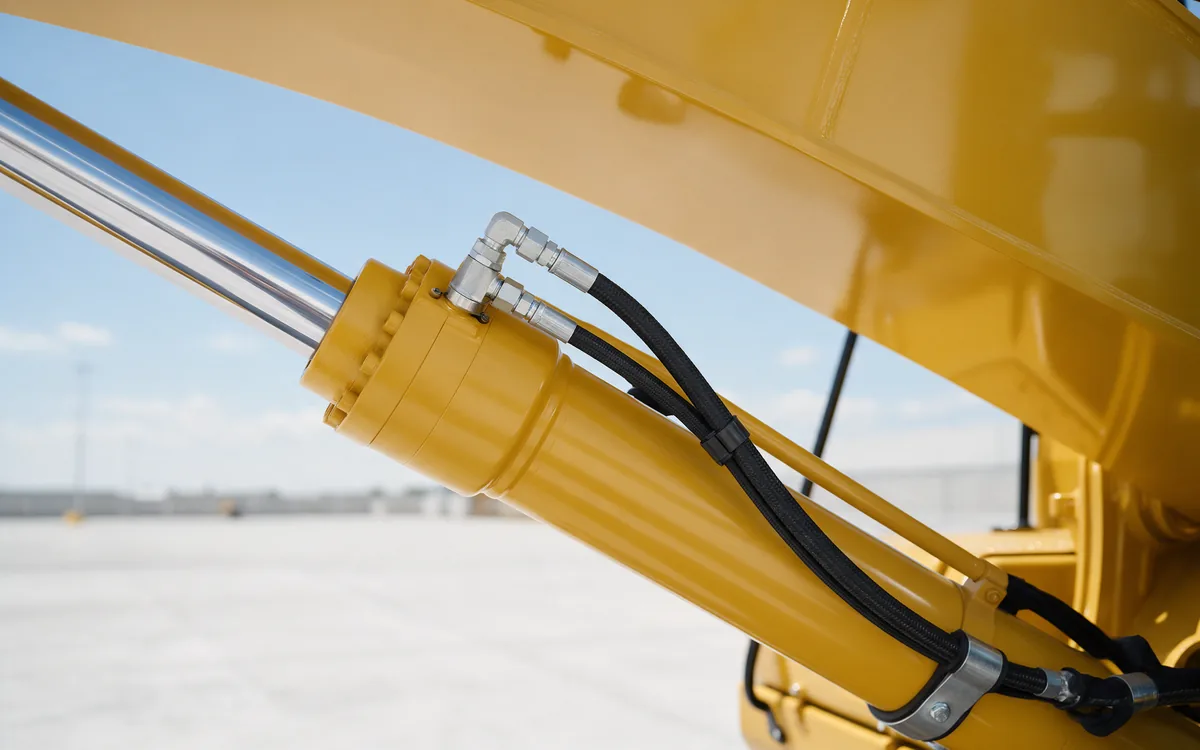
For forklifts, excavators, tractor hydraulics and industrial equipment. The grade (HLP or HVLP) and the ISO VG viscosity are set by the equipment manual.
The number before the 'W' is cold flow; the second number is the thickness at 100 °C.
Property
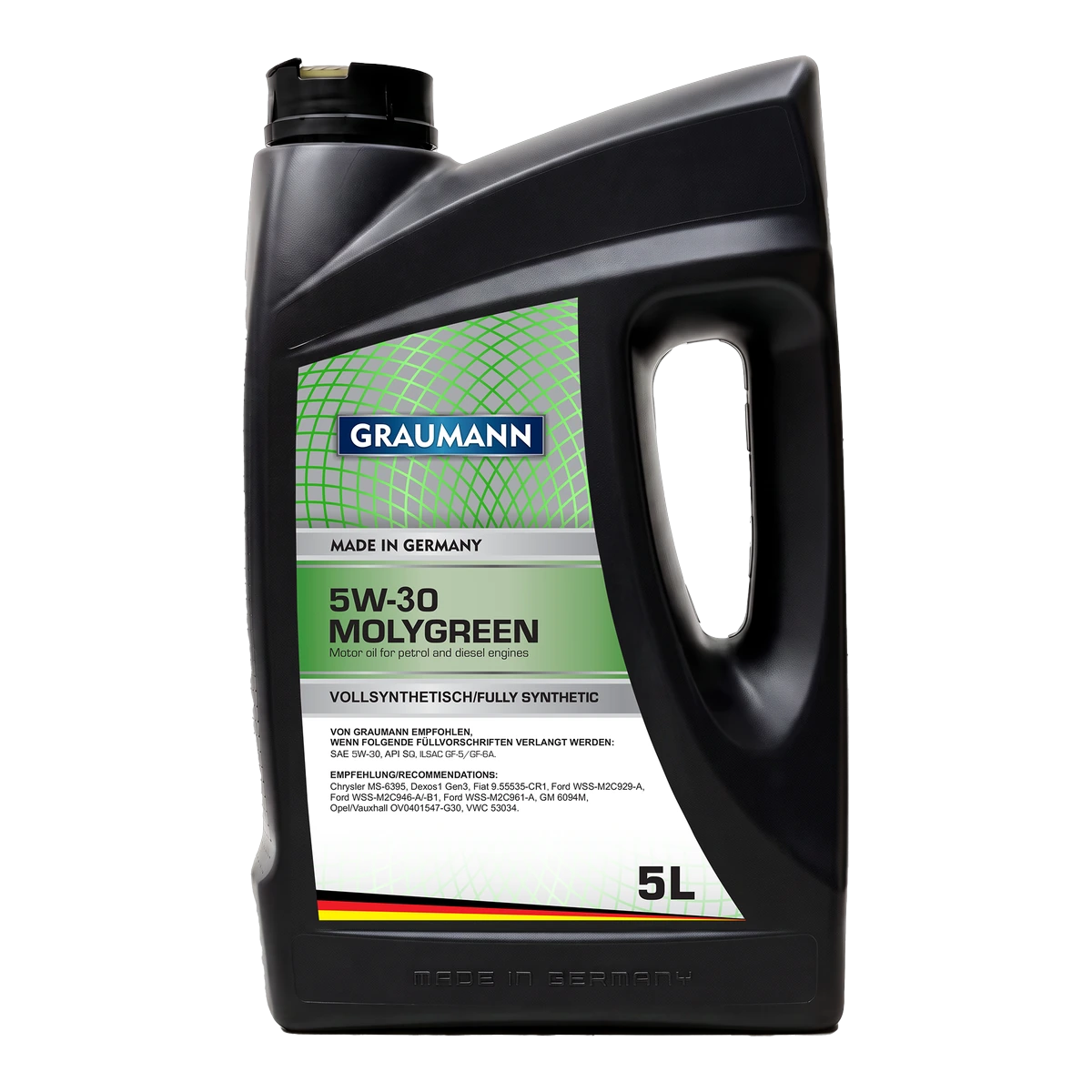
5W-30
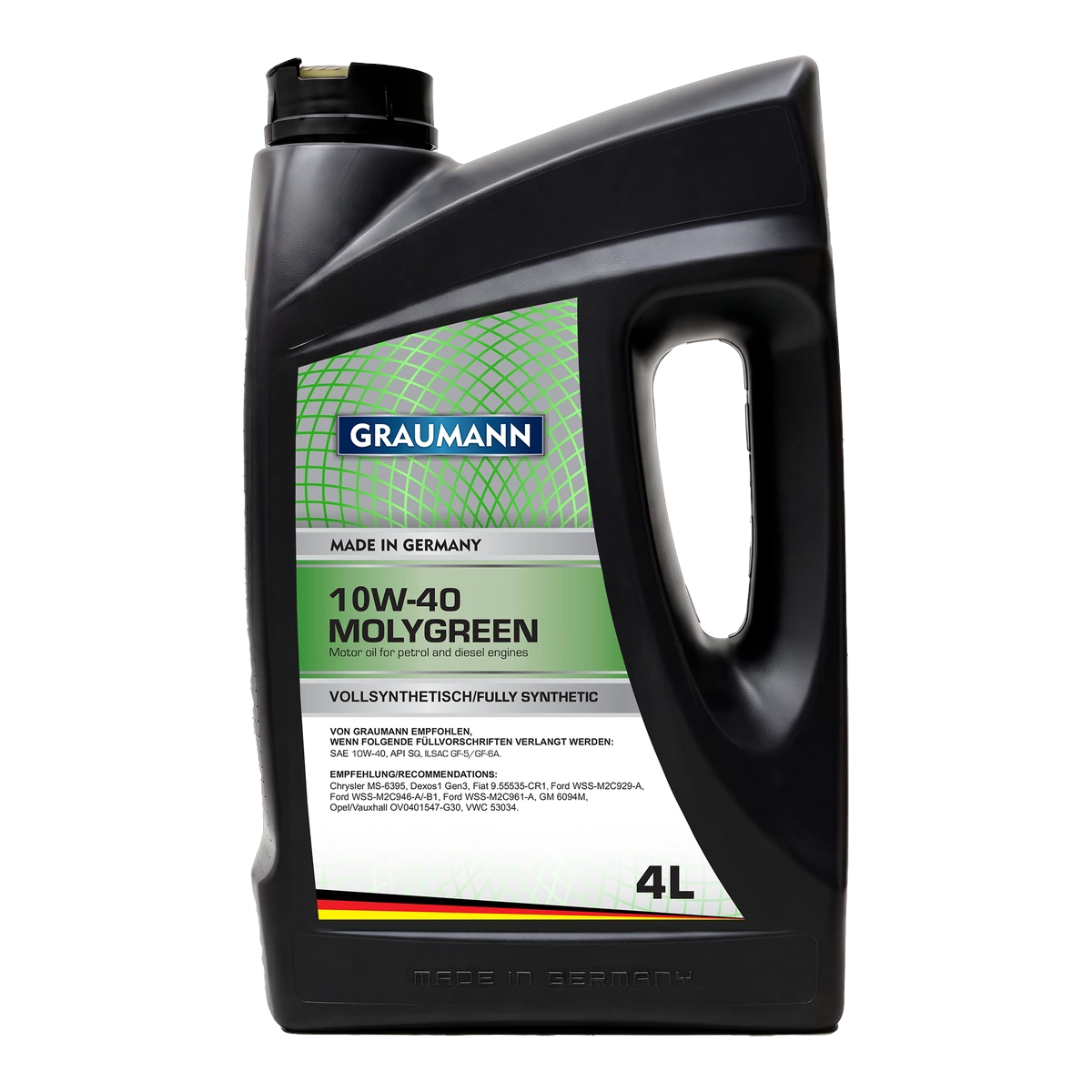
10W-40
Who for
Modern, turbocharged and start-stop engines.
High-mileage engines, older designs and engines working in hard conditions.
Cold start
Faster. Preferable in a cold climate.
Slower. Sufficient in a temperate climate.
Film when hot
Thinner, less friction.
Thicker; holds pressure in a worn engine.
What to check
The manufacturer approval and the API/ILSAC or ACEA grade.
The manufacturer requirement and the ACEA/API grade. Engine condition and mileage also count.
COLD-START LIMIT · SAE J300
5W-XXpumpable down to −35 °C
10W-XXpumpable down to −30 °C
Under SAE J300 a 5W oil is still pumpable at −35 °C and a 10W oil at −30 °C; the cranking test (CCS) runs at −30 and −25 °C. The colder it is, the sooner a 5W arrives — and those first seconds are when an engine wears most.
The engine shrinks, power rises, the interval lengthens — and the load falls on the oil.
600 °C
A particulate filter traps over 90 % of the soot and burns itself clean once the exhaust gas reaches about 600 °C. In town and on short trips it never gets that hot.
0°C100°C600°C
Turbocharger
The shaft spins very fast and gets hot. The oil must withstand the heat without forming coke.
Direct injection
More fuel reaches the oil. The oil thins and the film gets weaker.
Start-stop
At every stop the oil pressure drops to zero; on restart the bearing runs in boundary friction until pressure is back.
Particulate filter (DPF)
A low-ash oil is needed, otherwise the filter fills with ash.
Short trips
The engine never reaches operating temperature. Condensation and fuel do not evaporate and the oil ages faster.