
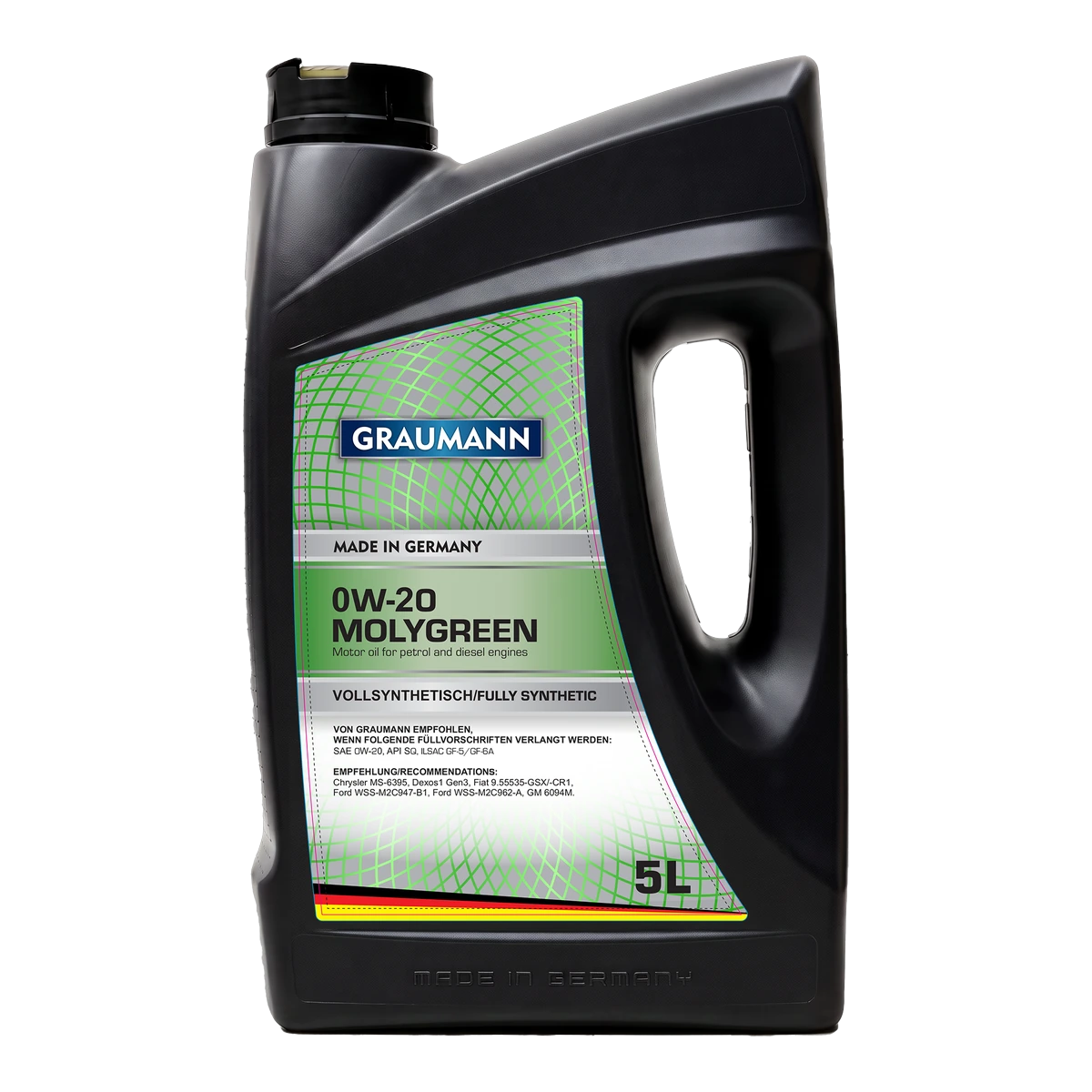
Engine oils
GRAUMANN 0W-20 Molygreen
For petrol engines, fully synthetic
- Viscosity
- SAE 0W-20
- Specification
- API SQ · ILSAC GF-5/GF-6A
- Pack
- 5 L1 L


Engine and diesel oil. Transmission, brake fluid, hydraulics. Pack sizes from 1 to 20 litres.Engine, diesel, transmission, brake, hydraulics. Pack sizes 1–20 L.
Engine oil will not do for a gearbox, nor gear oil for hydraulics. Choose the category first; the other filters then narrow to the values that belong to it.
Terms are confirmed on request.
The SAE grade describes how the oil flows, not how good it is. The figure before the 'W' is the cold behaviour; the second figure is the thickness at the 100 °C operating temperature. In a cold climate a lower 'W' figure is preferable. The table of grades is on the Oil finder page.
In the transmission category this group switches to gear-oil viscosities (75W-90, 80W-90, 85W-140). Their SAE scale is separate from the engine-oil one. ATF fluids are not classified by SAE; they are filtered by approval.
1 L for topping up, kept in the boot. On most passenger cars a full change takes around 3.5–5.5 litres; the exact volume is in the service book. 20 L covers a workshop's daily work, 200 L is for fleets and industry.
An oil of the same viscosity does not suit every machine. On a motorcycle the wet clutch runs in an oil bath, so the JASO requirement applies. A truck needs a diesel grade rated for heavy loads.
Quality is defined by ACEA, API and the manufacturer approval. In ACEA, A is petrol, B is passenger-car diesel, C is low-ash oil for engines with exhaust after-treatment and E is heavy-duty diesel. In API, S is petrol and C is diesel; the further the second letter falls in the alphabet, the newer the class.
If you do not know which specification you need, message a specialist.
In list view the article code and every pack size appear on one line.
Engine oils
For petrol engines, fully synthetic
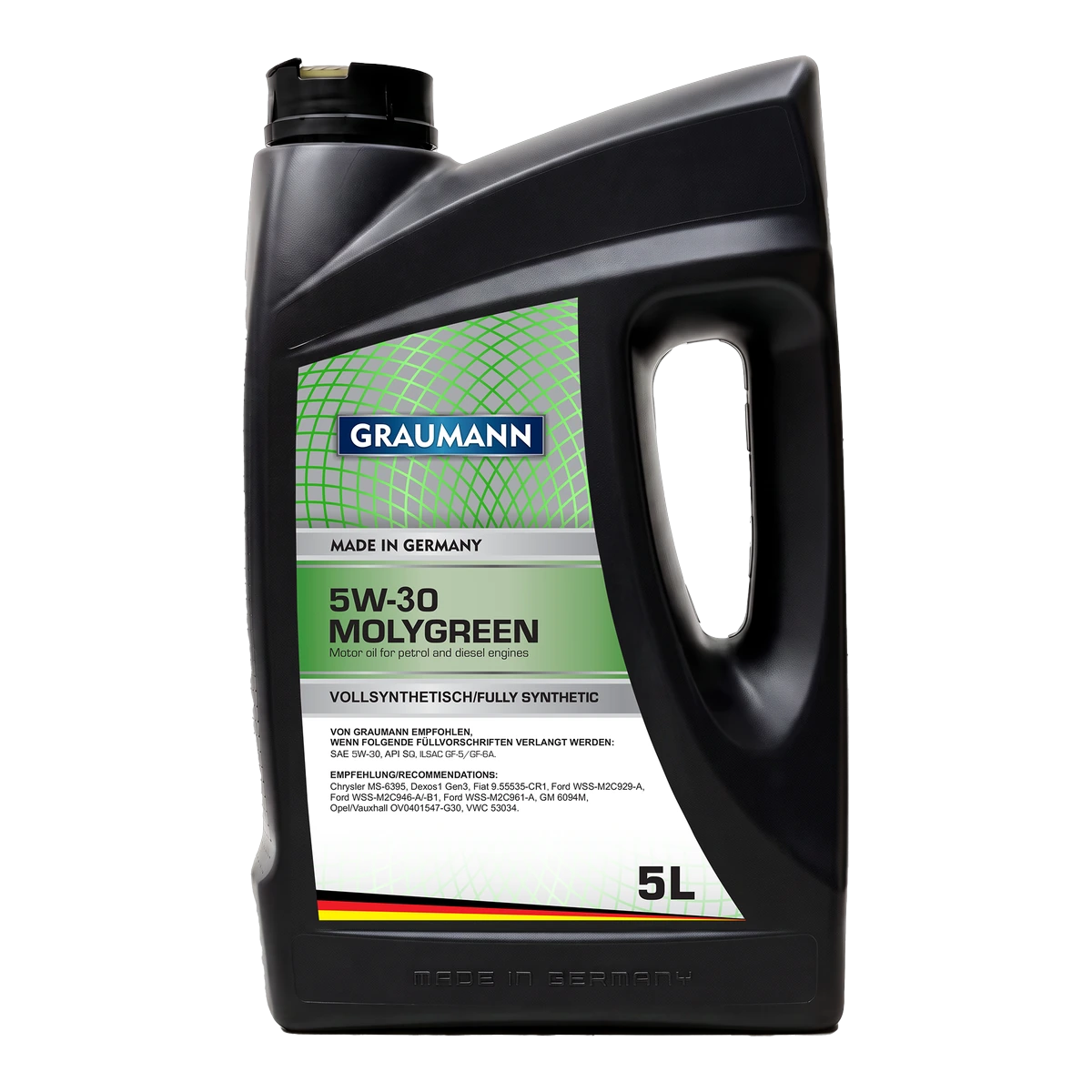
Engine oilsCore product
For modern, turbocharged and start-stop engines
Fast lubrication after a cold start.
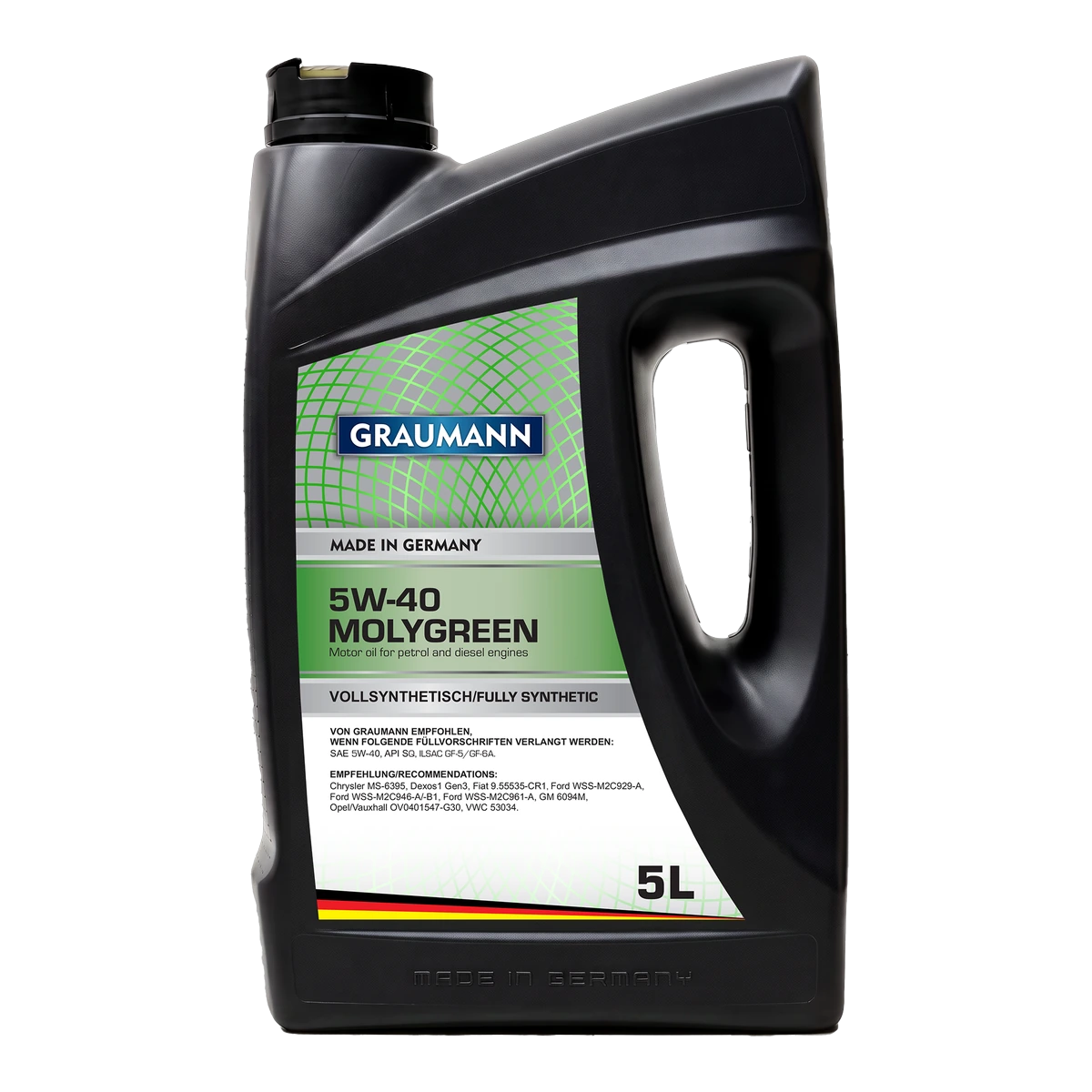
Engine oils
For petrol engines, fully synthetic
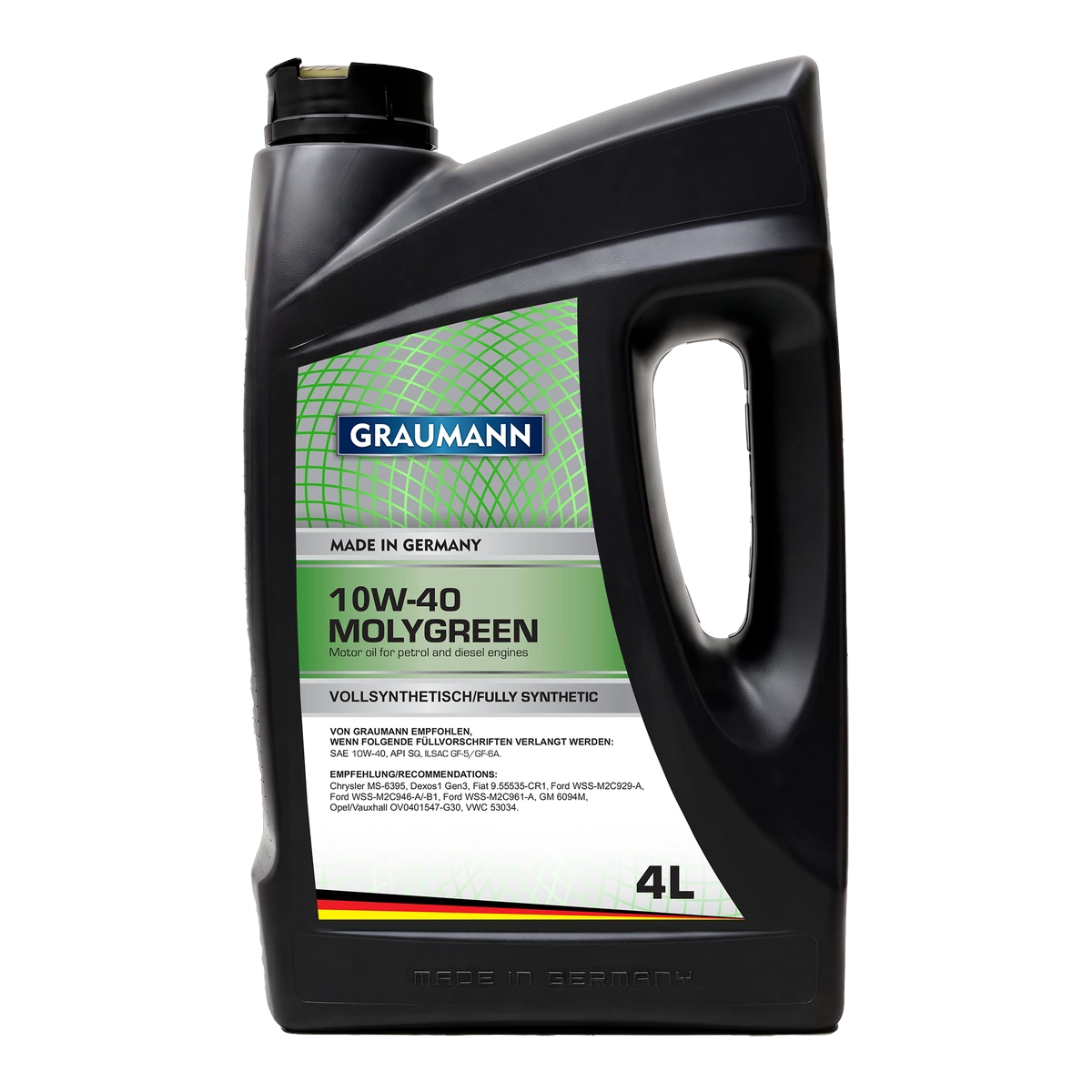
Engine oilsCore product
For high-mileage engines
A thicker film when hot. Oil pressure stays steady in a worn engine.
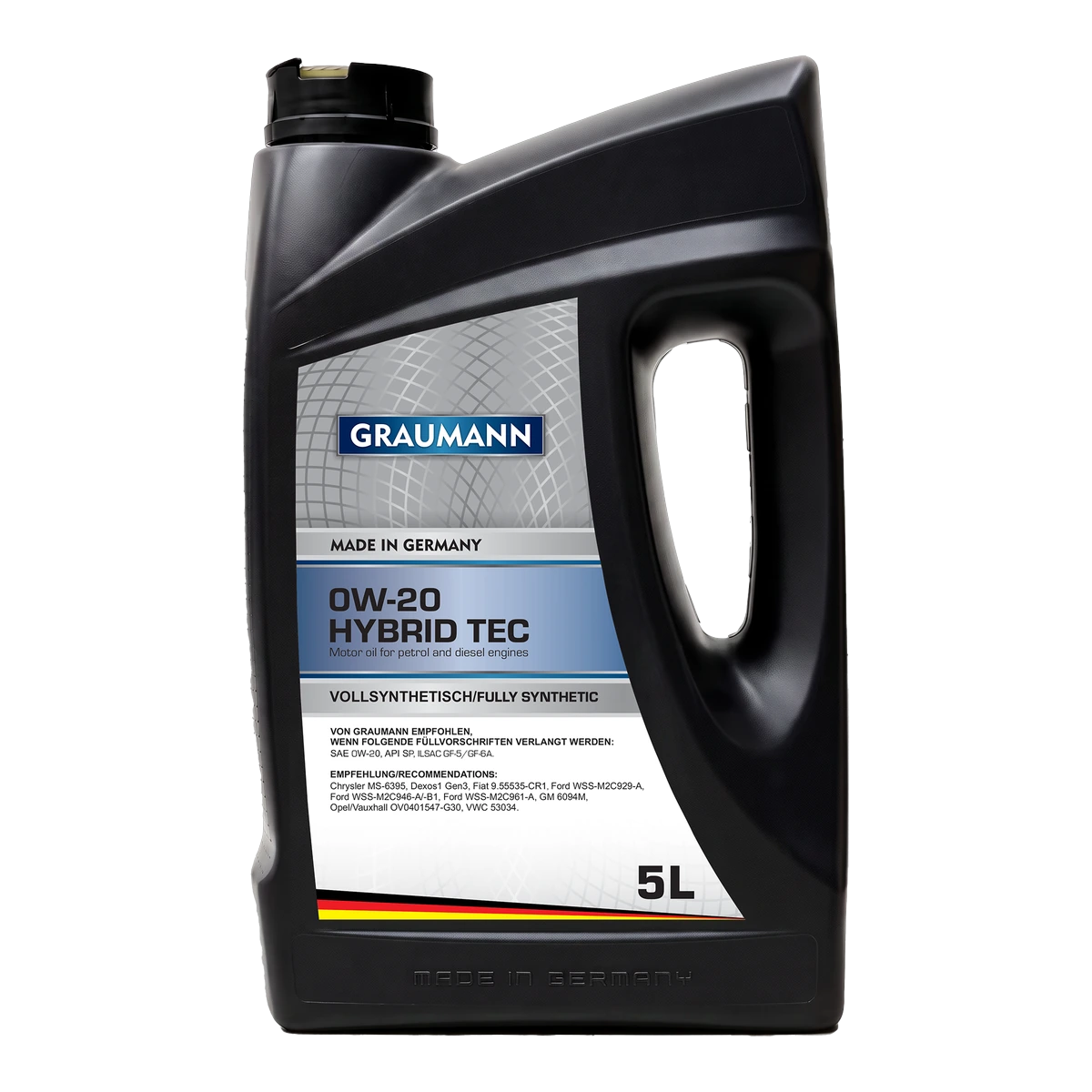
Engine oilsHybrid vehicle
For petrol and hybrid engines, fully synthetic
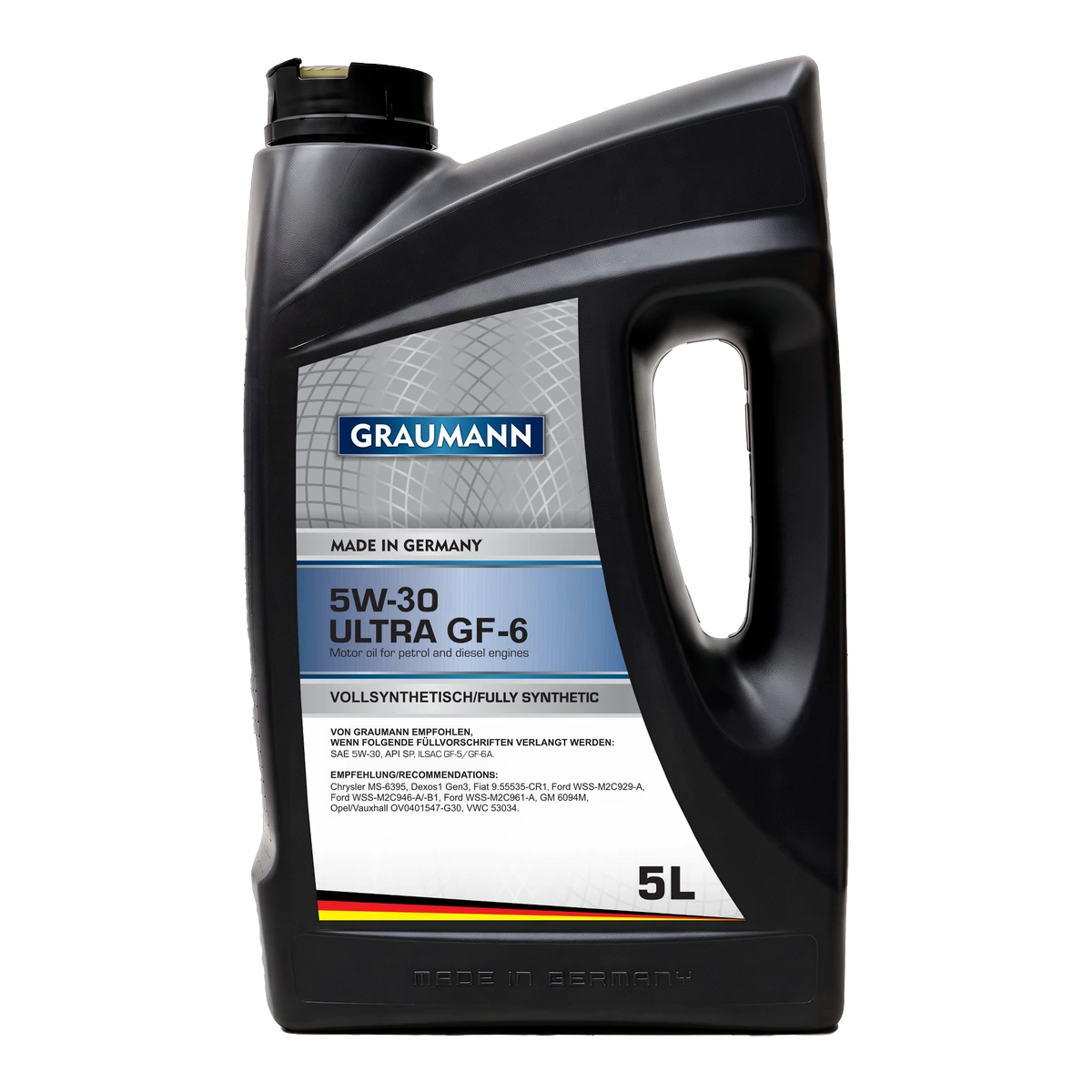
Engine oils
For petrol engines, fully synthetic
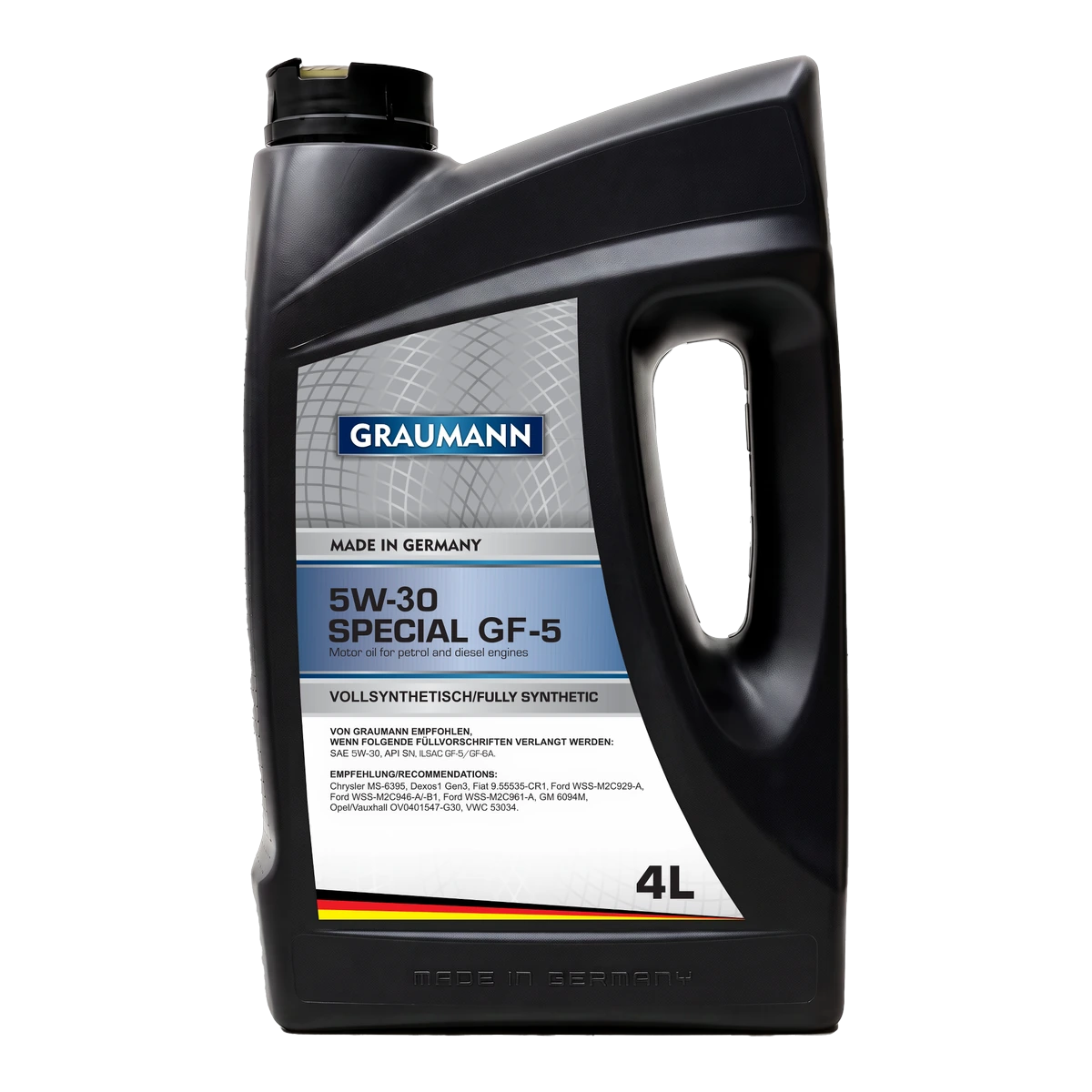
Engine oils
For petrol engines, fully synthetic
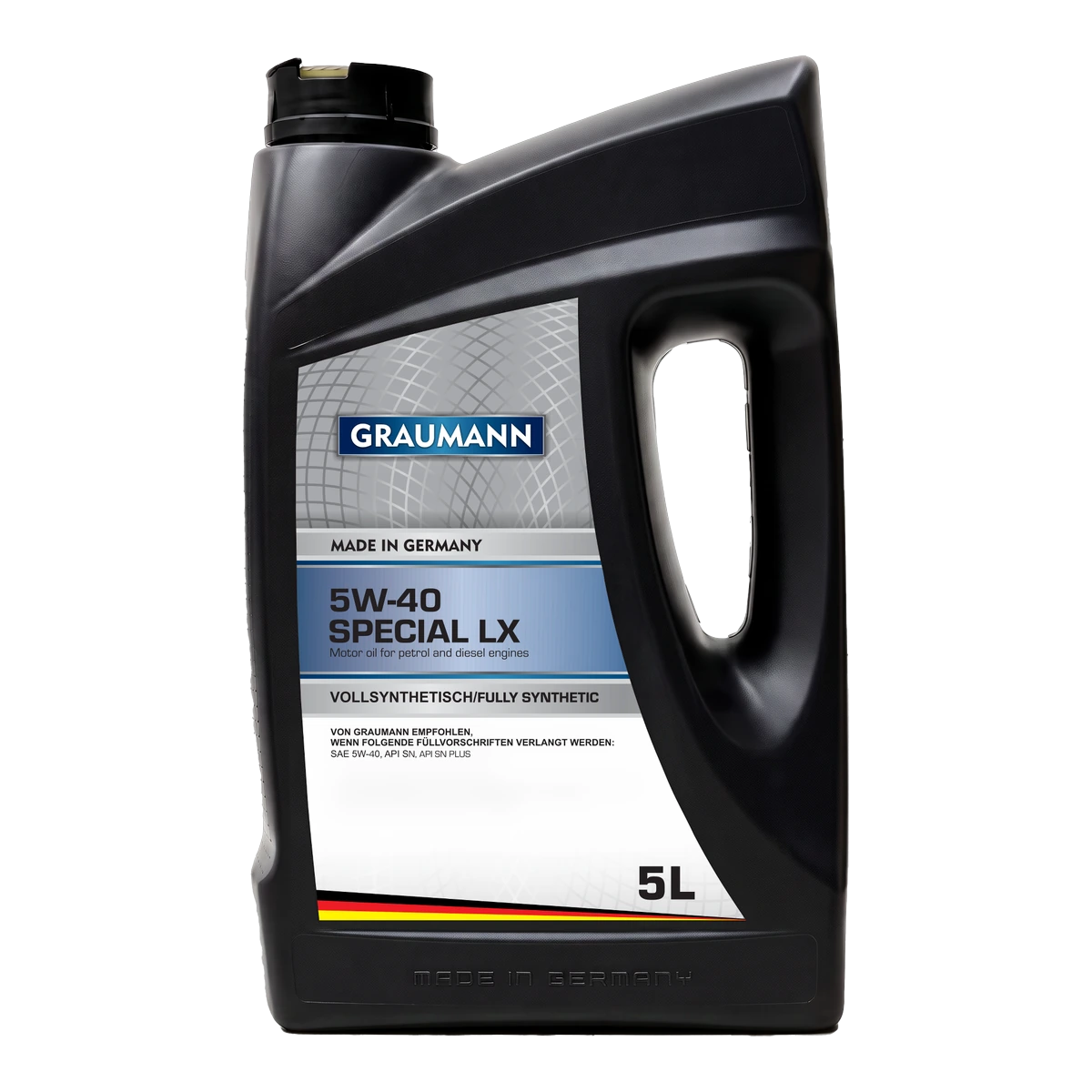
Engine oils
For petrol engines, fully synthetic
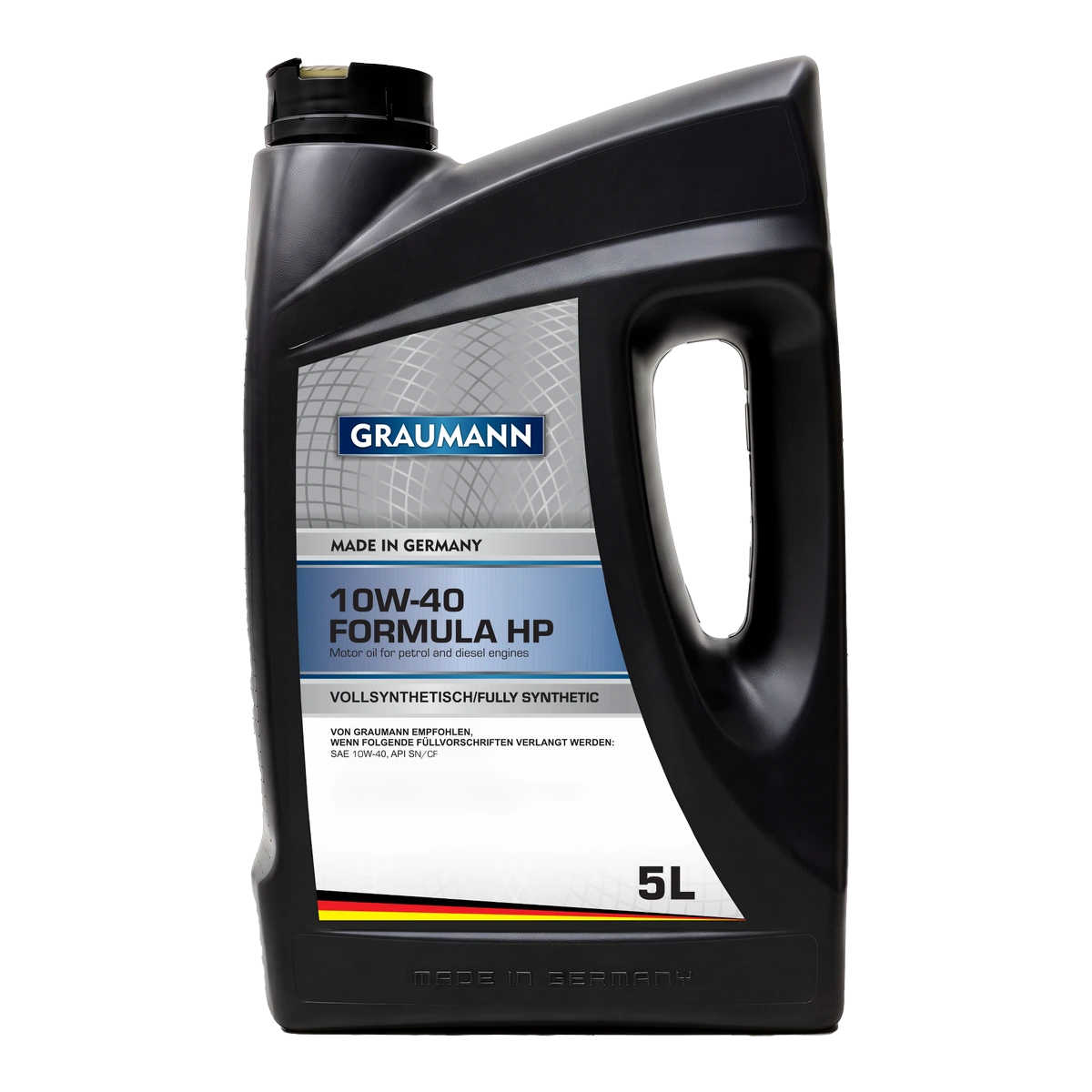
Engine oils
For petrol and diesel engines, fully synthetic
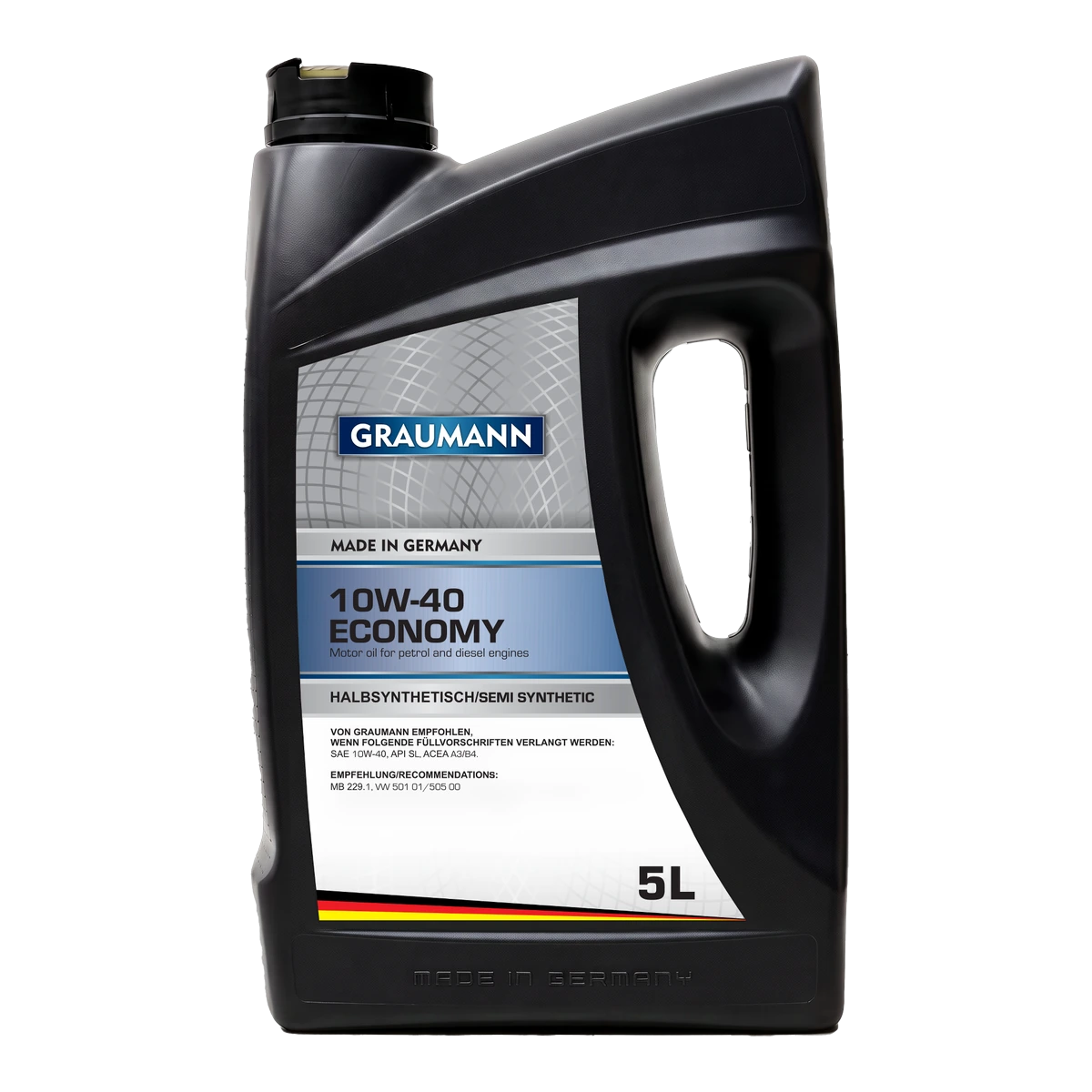
Engine oilsSemi-synthetic
For petrol and diesel engines, semi-synthetic
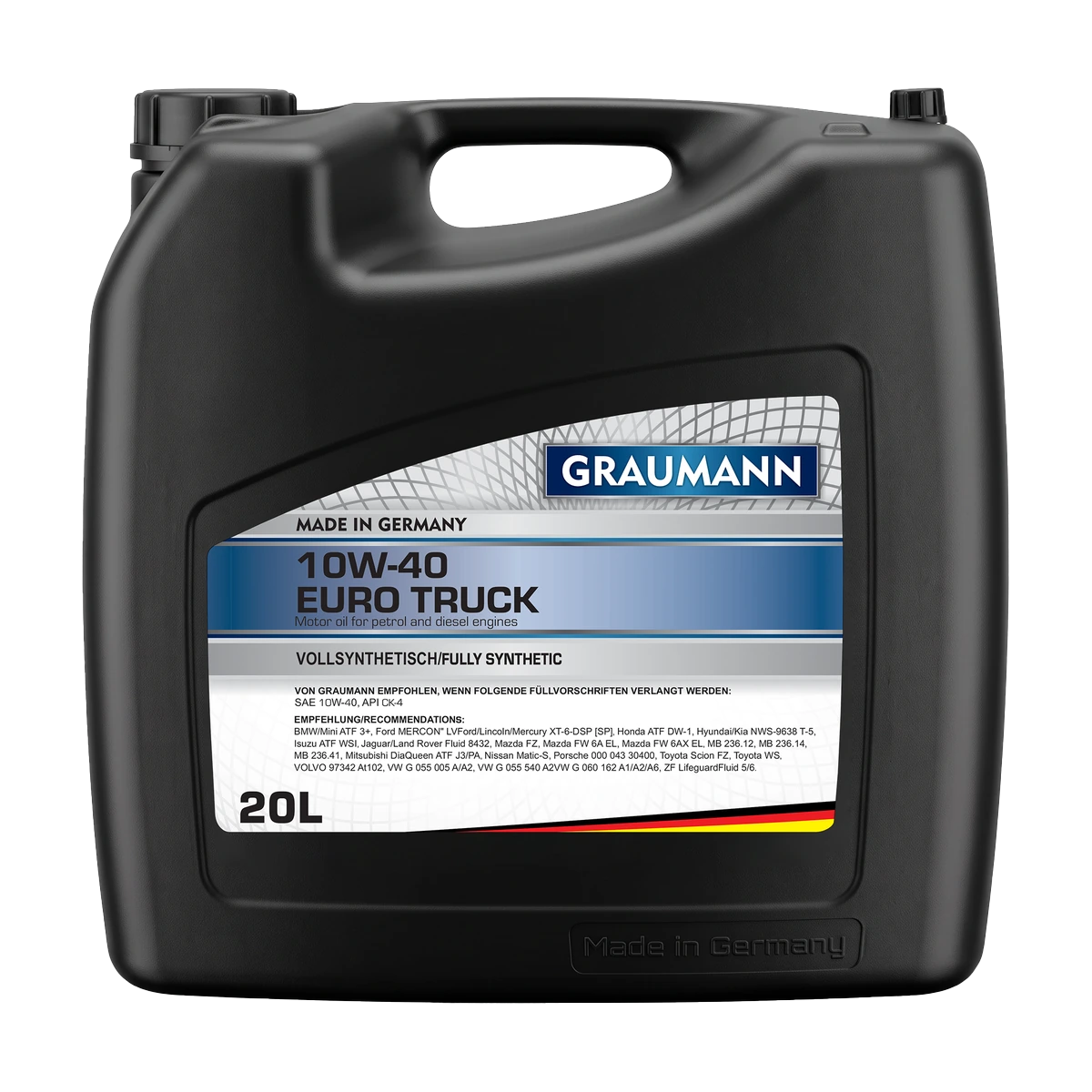
Diesel oils
For truck diesel engines, fully synthetic
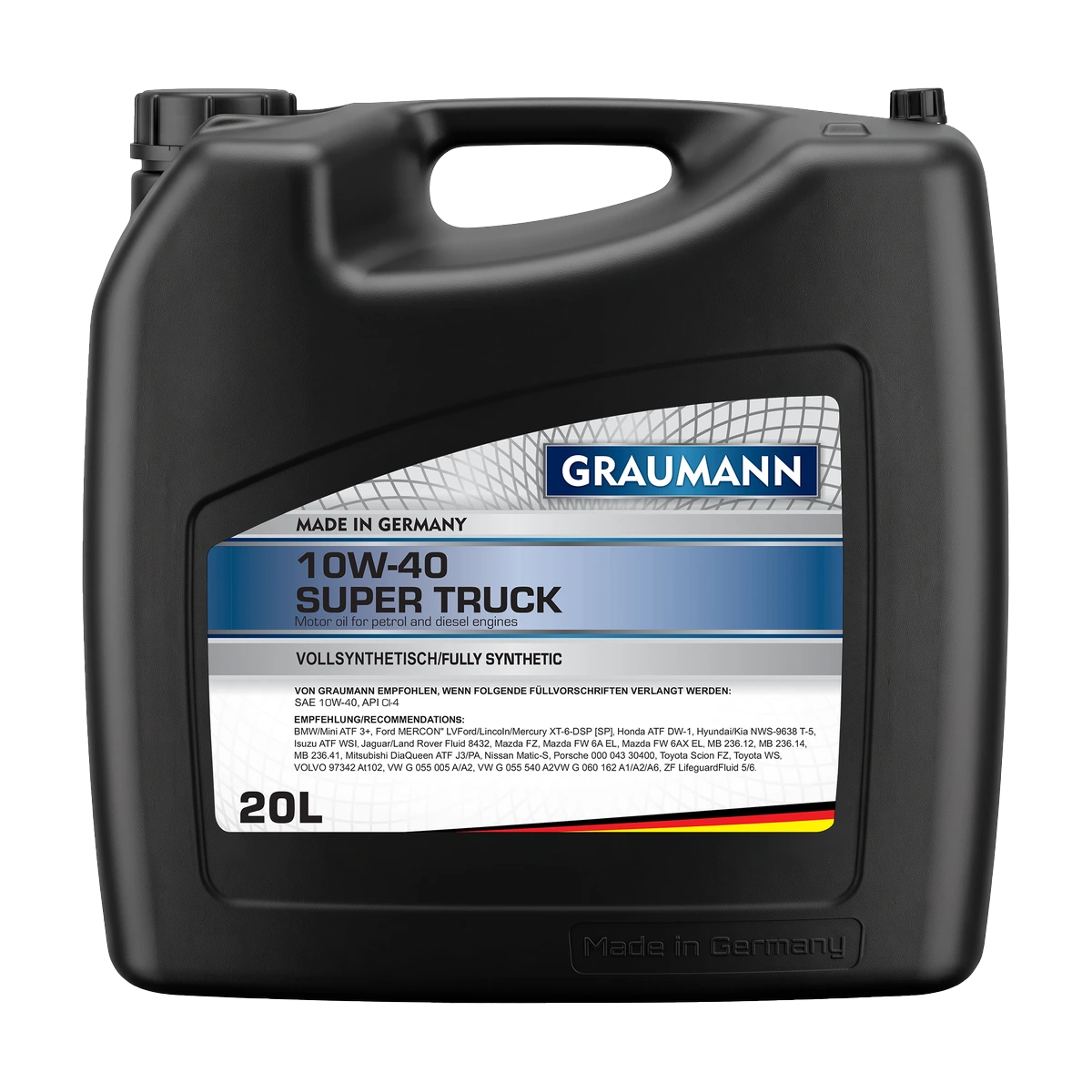
Diesel oils
For truck diesel engines, fully synthetic
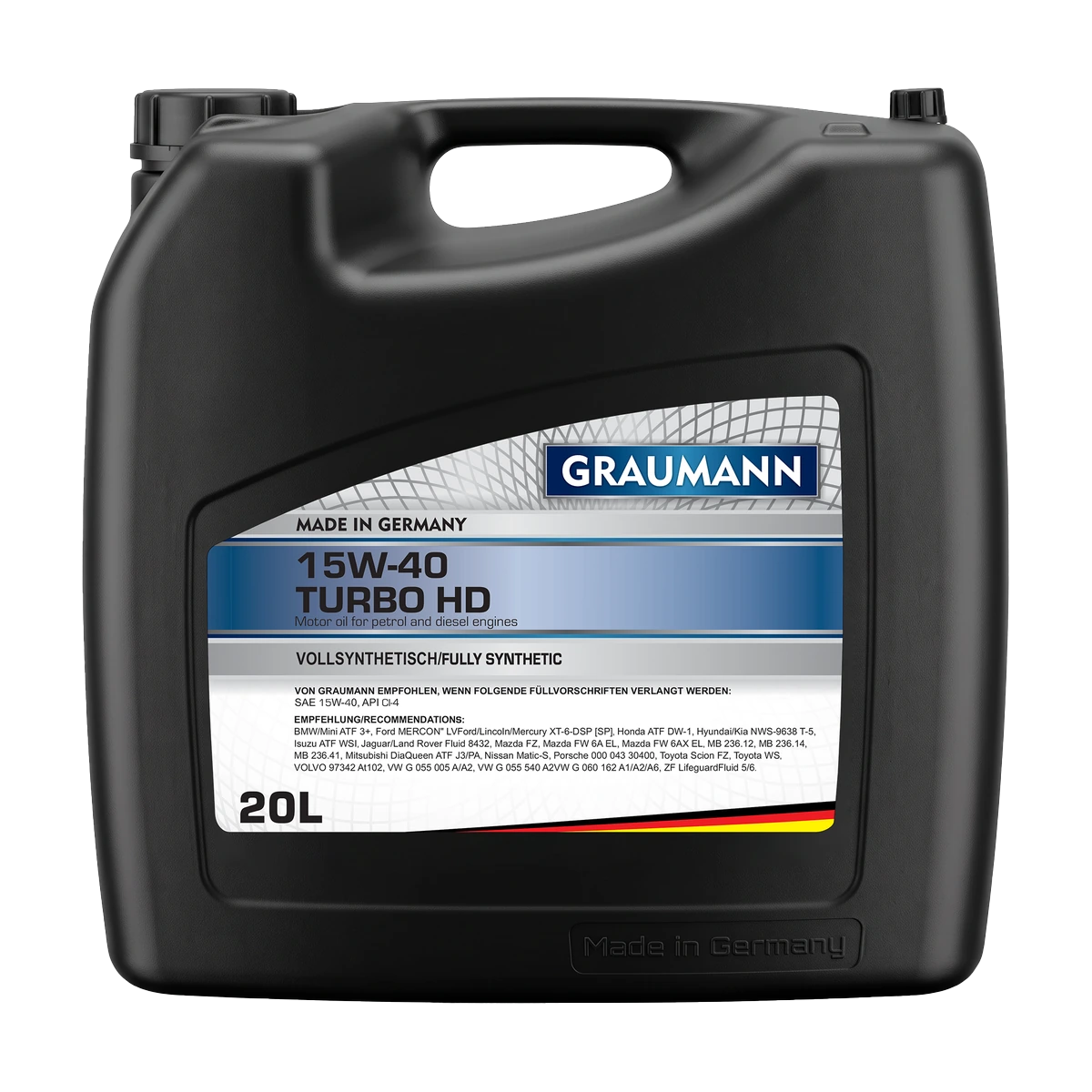
Diesel oils
For truck diesel engines, fully synthetic
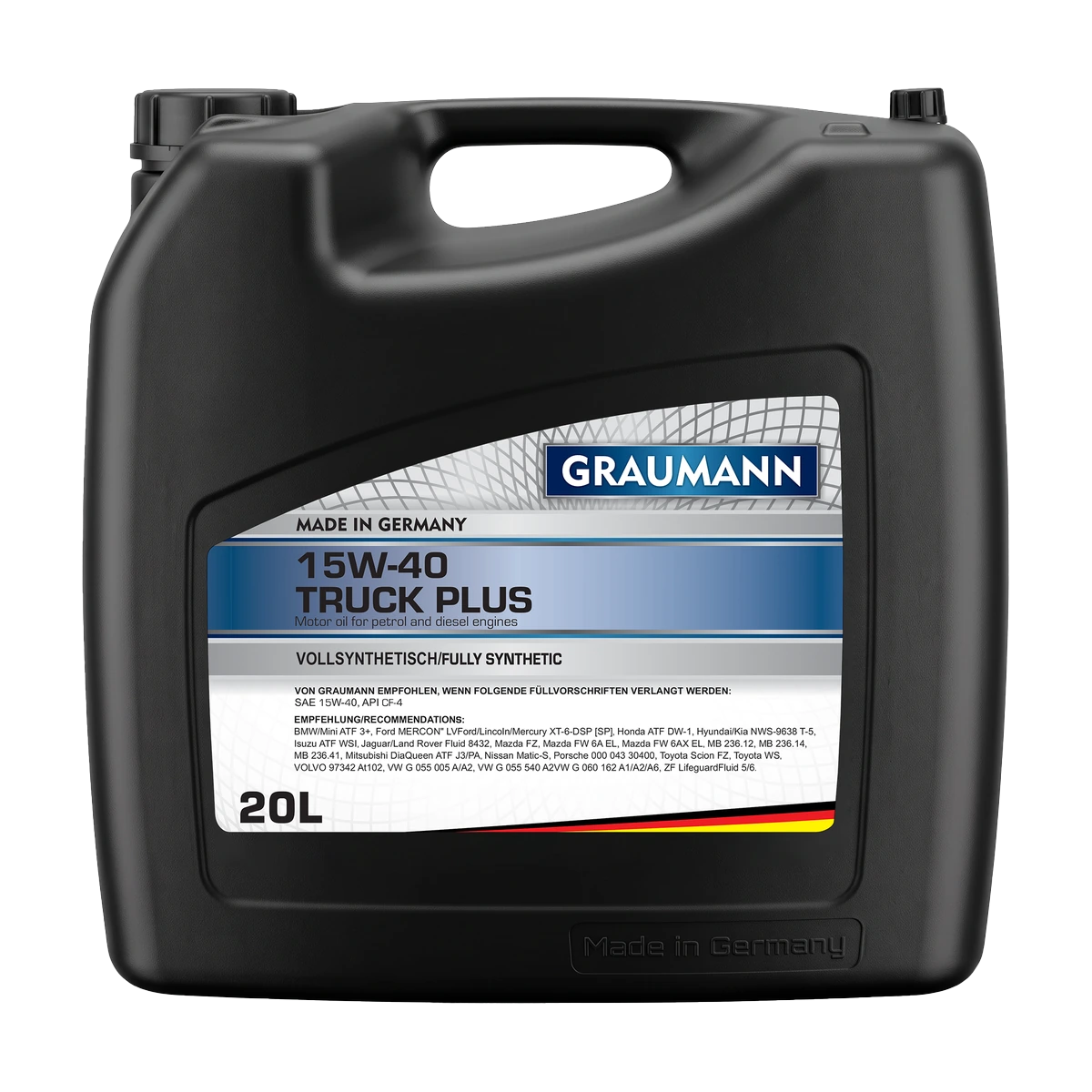
Diesel oils
For truck diesel engines, fully synthetic
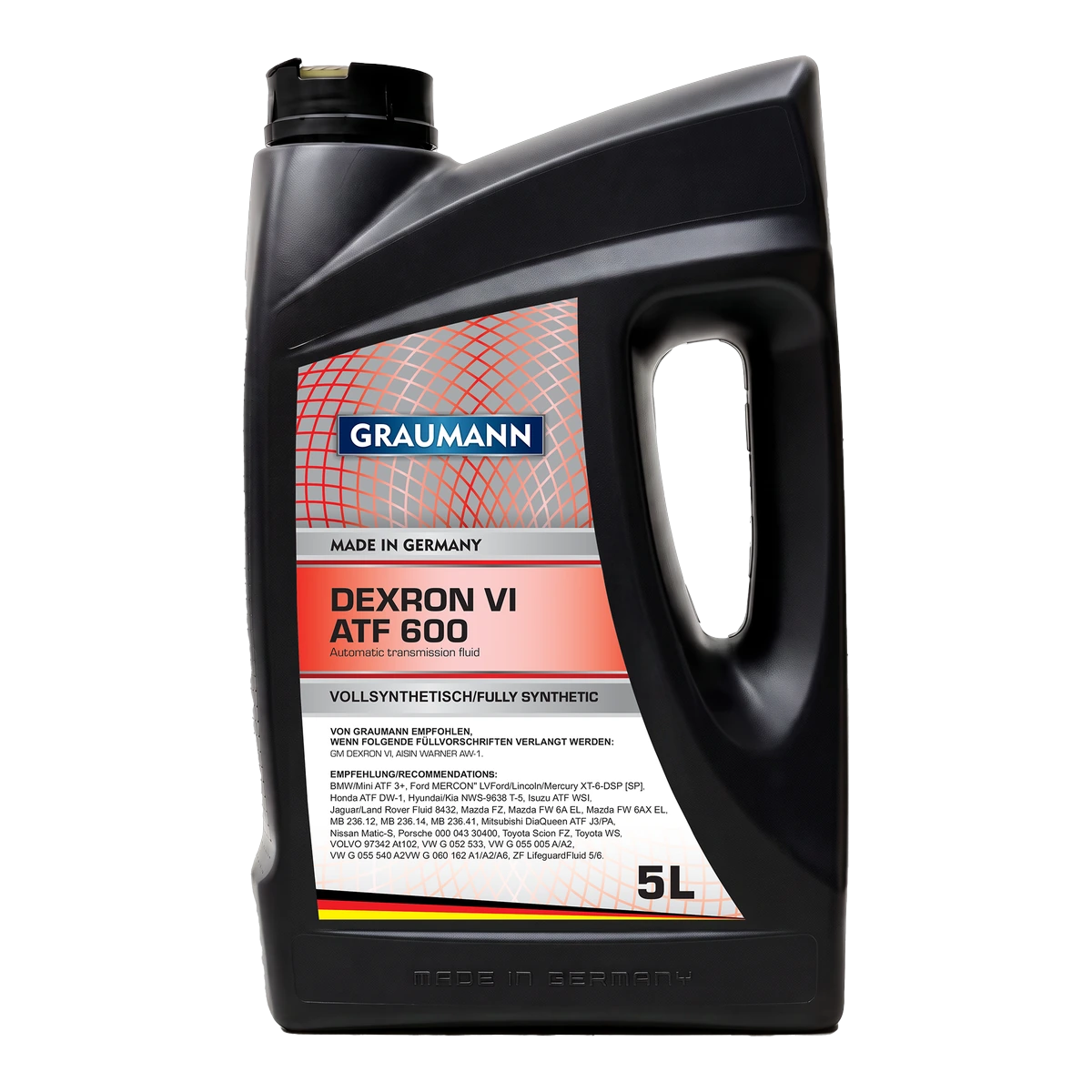
Transmission oils
Fluid for automatic transmissions, fully synthetic
Loading…
Change or clear the filter.
Selected: Engine oils · 15W-40 · 20 L · remove them one at a time
The articles in this category are not in the catalogue yet. The page shows only confirmed names, codes and volumes. Nothing provisional is published.
The other ranges are shown in full in the catalogue.
Filtering by ACEA, API and manufacturer approvals will be added later.
Oil poured to the wrong specification damages the engine — compare the requirement in your service book against the viscosity filter.
The connection dropped. Refresh the page or try again shortly.
The five categories do not replace one another.
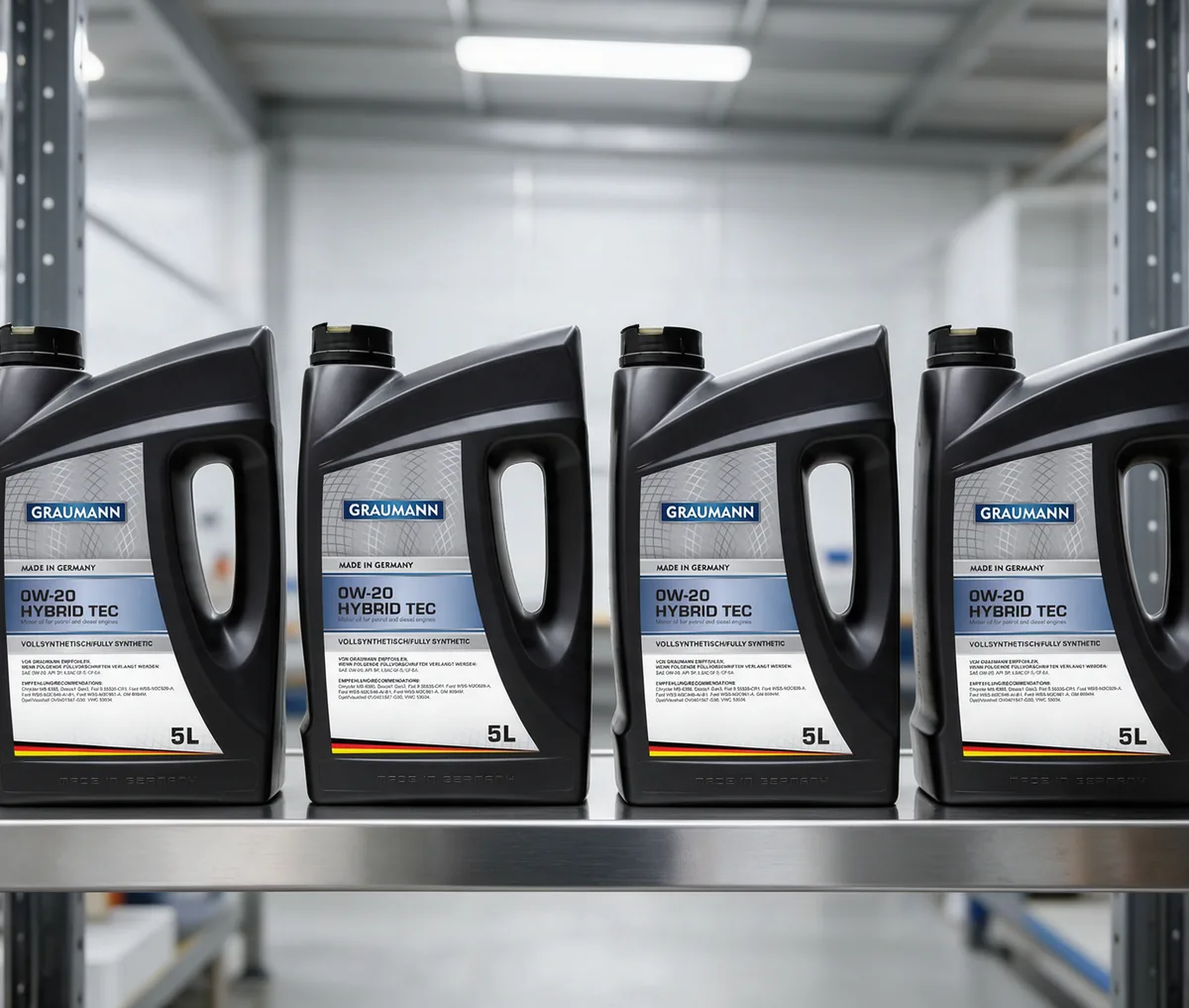
For a petrol engine three things matter: viscosity (SAE), quality grade (ACEA or API) and manufacturer approval. In turbocharged and direct-injection engines heat stability comes first. With start-stop, every restart brings a brief moment of dry friction, so cold flow matters too.
In a diesel, combustion leaves more soot. The oil has to hold it, otherwise deposits build up inside the engine. Vehicles with a particulate filter (DPF) need a low-ash oil: the ash from an ordinary oil stays in the filter and blocks it. In city driving the filter never reaches its self-cleaning temperature. Heavy transport uses a separate class rated for tougher duty.
Something 'similar' does not work in this category. A manual gearbox and an axle need an API GL grade: GL-4 for synchromesh boxes, GL-5 with additives that withstand the high pressure of a hypoid axle. GL-5 does not go into a box that calls for GL-4 — 'stronger' does not mean 'more suitable'. In an automatic it is not SAE but the manufacturer approval that decides (the ATF types); DSG and CVT run on their own separate fluids.
Brake fluid absorbs moisture from the air, and the more water it holds the lower its boiling point. In a hot system the water boils and forms a vapour lock, and the pedal goes to the floor. Water also corrodes the brake hydraulics. It is changed by time, not mileage — usually every two years. The class (DOT 4 or DOT 5.1) and ABS/ESP compatibility come from the service book.
For forklifts, excavators, tractor hydraulics, presses and industrial equipment. The grade is chosen to DIN 51524. HLP with anti-wear additives is the standard choice; HVLP has a higher viscosity index and stays stable across a wide temperature swing. Viscosity is given as an ISO VG number: VG 32, VG 46 or VG 68. That figure is taken from the equipment manual, not guessed.
Made at one of Germany's large plants to German engineering standards. The range is built for the loads of modern engines: turbochargers, direct injection, start-stop.
Five categories, 15 articles, pack sizes from 1 L to 20 L. Engine and diesel oil, transmission fluid, brake fluid, hydraulics. All five from one supplier.